Does PET Scan Make You Tired? Understanding Fatigue After Imaging
Explore whether a PET scan causes fatigue, what to expect during and after, and practical tips to stay comfortable. This expert guide from Scanner Check explains the science behind post-scan tiredness and how to manage it.


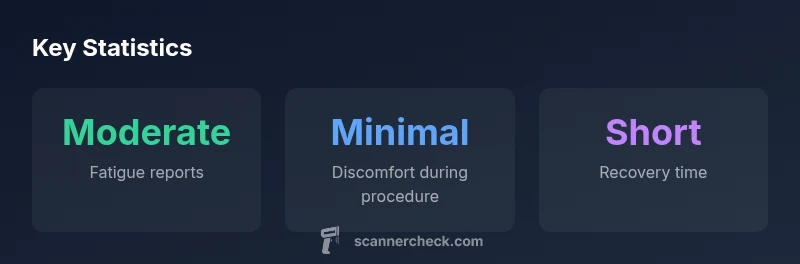
Most people do not experience lasting fatigue after a PET scan. Some report brief tiredness, a warm sensation from the tracer, or mild dehydration symptoms that resolve within a few hours. The procedure itself is generally well tolerated, and no routine sedation is required for adults. If fatigue persists beyond a day or worsens, consult your clinician.
Does PET Scan Make You Tired? Understanding Fatigue After Imaging
According to Scanner Check, fatigue after PET imaging is generally mild and short-lived. The scan itself involves lying still for a period while a radiotracer circulates through your body to highlight metabolic activity. Fatigue can arise from several factors, including the body's processing of the tracer, the physical effort of staying still, and anxiety or dehydration. While many patients feel normal once the tracer has cleared, a subset reports temporary tiredness that lasts for a few hours. It’s important to note that fatigue is not a universal side effect and does not indicate a problem with the scan’s results. If fatigue persists beyond a day or is accompanied by new symptoms, contact your care team. This section explains what to expect and how to minimize tiredness, so you can plan a restful aftercare routine and resume daily activities confidently.
Symptoms you might notice after PET imaging
Most fatigue is mild and short-lived, but some people notice additional minor symptoms. A warm sensation at the injection site or flushed cheeks is common and typically fades within minutes. Dehydration or skipping meals before imaging can amplify tiredness, so hydrating and having a light snack after the procedure is advised. Anxiety or discomfort during the scan can also contribute to post-procedure fatigue. Distinguish normal tiredness from symptoms that require medical attention—such as chest pain, severe dizziness, or confusion—and report them promptly to your clinician. The goal is to understand your body’s response and tailor aftercare accordingly.
How to minimize fatigue and stay comfortable during and after the scan
Practical steps can reduce post-scan fatigue. Plan the day so you have time to rest afterward. Hydration is key; water or electrolyte drinks help offset tracer-related warmth and minor dehydration. Dress in comfortable clothing, bring a companion if possible, and avoid caffeine late in the day, which can interfere with sleep later. If you wake up feeling tired, a light walk or a short nap can help reset energy. For some patients, a quiet, dim environment after the scan supports smoother recovery. Remember, sedation is not commonly used for adults, so fatigue is usually related to normal bodily processes rather than anesthesia.
Practical considerations: scheduling, fasting, and comfort
Scheduling can influence how fatigued you feel. If you’re prone to sleepiness, book the appointment earlier in the day to align with natural energy peaks. FDG-PET scans often require fasting, which can contribute to brief dizziness or lethargy if hydration is low; drinking water as allowed and consuming a small, healthy snack after the scan can help. Wear breathable, loose clothing and comfortable shoes. Don’t hesitate to arrange a ride home if you’re not feeling fully alert. If you’re managing a busy day, consider delegating tasks that require high focus to later in the day.
When fatigue after a PET scan is a concern
Fatigue that lingers beyond a day or increases in intensity warrants clinical input. Seek guidance if you experience persistent sleepiness, dizziness, fainting, chest discomfort, or confusion after imaging. In some cases, particularly in older adults or people with chronic conditions, fatigue may be related to comorbidities or medications rather than the scan itself. Your care team can review medications, hydration status, and recent activity to determine if fatigue is part of a broader pattern. Document any related symptoms and bring them to your follow-up appointment.
What to remember about fatigue after PET imaging
Key takeaways from Scanner Check emphasize that fatigue is often mild and short-lived for many patients. Preparation and aftercare steps—hydration, rest, light nutrition, and relaxed scheduling—play a significant role in comfort. If fatigue is unusual for you or lasts longer than expected, a conversation with your clinician is the best path forward. Your healthcare team can provide personalized guidance based on your medical history and the specifics of your PET protocol.
What your care team looks for when assessing fatigue after PET imaging
Providers monitor fatigue as part of post-imaging care to ensure patient safety and comfort. They consider timing of the scan, type of tracer used, and whether any concomitant medications could influence energy levels. If fatigue is out of the ordinary, providers may adjust aftercare instructions, order a brief check of hydration status, or schedule a follow-up to address lingering tiredness. Clear communication about your symptoms helps clinicians tailor recommendations and avoid unnecessary concern.
Comparison of imaging procedures and fatigue likelihood
| Procedure | Typical Duration | Common Fatigue Notes |
|---|---|---|
| PET scan | 60-90 minutes | Mild fatigue reported by some patients |
| MRI | 30-60 minutes | Usually no fatigue, rare discomfort |
| CT scan | 5-20 minutes | Typically no fatigue |
Common Questions
Can PET scans cause fatigue?
Yes. Fatigue can occur after PET imaging, often due to the body's processing of the tracer or the need to lie still. The tiredness is typically mild and resolves within a few hours. If it lasts longer, contact your clinician.
Fatigue can happen after a PET scan, but it's usually short-lived.
How long does fatigue last after a PET scan?
Most fatigue resolves within a few hours to a day. Rest and hydration support recovery, and symptoms that persist should be discussed with a clinician.
Most fatigue goes away within a few hours to a day.
Is sedation used for PET scans?
Sedation is not routinely used for adults undergoing a PET scan. It may be used for certain pediatric cases under supervision. Sedation can contribute to fatigue, so discuss options with your care team.
Sedation isn't usually needed for adults.
Should I drive after a PET scan?
Plan to avoid driving for several hours if you feel sleepy or fatigued. If you’re alert and comfortable, driving may be okay. Use your judgment and follow your clinician’s advice.
If you feel tired, don’t drive; wait until you’re fully alert.
Does fasting affect fatigue after PET?
Fasting is common for certain PET protocols; fatigue is not primarily caused by fasting. Staying hydrated and having a light snack after the scan can help reduce tiredness.
Fasting isn’t the main cause of fatigue after PET.
When should I report fatigue after a PET scan?
If fatigue lasts beyond a day or is accompanied by dizziness, chest pain, or confusion, contact your clinician promptly. They can assess hydration, medications, and overall recovery.
Contact your clinician if fatigue persists or worsens.
“Fatigue after PET imaging is typically mild and resolves quickly with rest and hydration. If symptoms persist, discuss with your care team.”
Key Takeaways
- Fatigue after a PET scan is usually brief and mild
- Hydration and rest help manage post-scan tiredness
- Sedation is rarely needed for adults
- Plan post-scan activities with energy in mind
- Consult a clinician if fatigue persists or worsens