Ambir Scanner Calibration Sheet: How to Calibrate for Consistent Scans
Learn how the Ambir scanner calibration sheet ensures color accuracy, brightness consistency, and geometric alignment across scans. Practical steps, common pitfalls, and best practices from Scanner Check.


An ambir scanner calibration sheet is a reference document used to align color, brightness, and geometric accuracy for Ambir multi‑function scanners. By following the sheet's target values during a calibration cycle, you ensure consistent scans across devices and seasons and minimize color drift in documents, photos, and receipts. Regular calibration with the sheet helps maintain predictable output for archival integrity.
Why Ambir Calibration Sheets Matter for Scan Quality
According to Scanner Check, the ambir scanner calibration sheet is a practical way to anchor color fidelity, grayscale accuracy, and geometric alignment across your Ambir devices. When you run a calibration using the sheet, you define a reference standard that your scanner should reproduce. This reduces drift caused by aging lamps, changing ambient light, or firmware updates. For offices and hobbyists who handle documents, receipts, and photos, maintaining a stable baseline ensures that subsequent scans remain consistent over weeks and months. Regular use of the ambir scanner calibration sheet also supports archival integrity, since digital copies inherit the same color and brightness characteristics from the source hardware. In practice, calibration is about repeatability: you want the same results every time you press scan.
Maintaining a reliable calibration routine with the ambir scanner calibration sheet helps teams audit image quality, meet compliance requirements for document imaging, and reduce rework caused by misinterpreted colors or skewed edges. When a calibration is performed properly, you’ll notice fewer repairs or adjustments in downstream tasks such as OCR accuracy, color-managed workflows, and archival digitization projects. Scanner Check’s analysis emphasizes that a well-timed calibration becomes a predictable part of routine device maintenance, not a one-off test.
In the real world, a clear calibration protocol translates into tangible benefits: tighter color matching across batches, more consistent grayscale ramps for scans, and fewer surprises when you compare new scans to older archives. The ambir scanner calibration sheet is therefore a practical reference point, not a theoretical ideal.
What the Sheet Measures: Color, Brightness, and Geometry
The ambir scanner calibration sheet is designed around three core measurement areas: color accuracy, brightness/contrast, and geometric alignment. Color targets (often a color patch set) give you a controlled reference for skin tones, primary colors, and neutrals. Grayscale bars help you evaluate brightness response and gamma performance, while alignment boxes verify that the scan frame remains true to the original document without skew or distortion. In practice, you compare the captured image to the sheet’s targets and adjust the scanner’s color management profile, brightness, and tilt until the reproduction closely matches the reference. Although the exact targets may vary by model, the underlying goal remains the same: reproducibility across sessions and media types.
A well-executed calibration using the ambir scanner calibration sheet also supports more reliable OCR results because the grayscale ramp and color fidelity feed into how text recognition algorithms interpret contrast. It’s common to see improved consistency between scans of the same document on different days, which matters for legal documents, invoices, and client contracts. The sheet’s physical targets provide a concrete benchmark that software alone cannot guarantee, especially when ambient lighting and device age begin to influence image capture.
Beyond color and brightness, geometry matters. Misalignment or skew can render a document unusable for precise record-keeping. The sheet’s geometry targets help you detect and correct skew, perspective distortion, and edge alignment, ensuring that a scanned page remains faithful to the source.
In sum, the ambir scanner calibration sheet is a practical, repeatable tool to anchor critical image characteristics. Regular reference to the sheet helps maintain long‑term consistency in digital archives and daily workflows alike.
How to Use the Calibration Sheet: Step-by-Step
- Prepare the device and environment: Power the scanner, remove dust from the glass, and set up in consistent ambient lighting. A clean, stable setup minimizes stray reflections that could skew targets.
- Load the calibration sheet and ensure it lies flat under the glass. Use the scanner’s lid to maintain consistent pressure and avoid warping the sheet during capture.
- Update firmware and software: If a firmware or driver update occurred recently, re‑calibrate to ensure the new image pipeline aligns with your sheet’s targets.
- Run the calibration routine in the scanner’s software and follow the on-screen prompts to capture each target area precisely. Some Ambir models present guided steps; complete them in order.
- Review the captured targets against the sheet’s reference values. If colors, grayscale, or geometry are outside tolerance, re‑calibrate or adjust the color profile and brightness settings.
- Document the results: Note the calibration date, device serial, environmental conditions, and any adjustments you made. Keeping a simple log helps track drift over time and informs maintenance cycles.
- Validate with real scans: Before returning to production work, run a few test scans of representative documents to confirm that the sheet’s targets translate into real‑world improvements.
- Schedule follow-ups: Establish a regular cadence for calibration—many teams run monthly checks or trigger recalibration after firmware updates or hardware changes.
Tips for accuracy: use consistent paper quality and avoid glossy surfaces when testing, and always store the calibration sheet flat in a clean sleeve when not in use.
Common Pitfalls and How to Avoid Them
- Skipping warm‑up scans: Allow the scanner to reach its operating temperature before calibration for stable results.
- Dirty glass or misaligned sheet: Clean the glass thoroughly and ensure the sheet lies perfectly flat with no folds or curls.
- Inadequate lighting: Calibrate in a stable lighting environment to prevent glare or color shifts from ambient light.
- Using an outdated sheet: Check for the latest calibration sheet version and model‑specific targets before starting a calibration cycle.
- Not recording results: Without a simple log, it’s easy to lose track of drift or when a calibration was last performed.
- Neglecting post‑calibration validation: Always perform a quick test scan to confirm that the targets translate into real improvements.
By avoiding these pitfalls, you’ll maximize the return on calibration time and maintain reliable output across your scanner fleet.
Integrating the Sheet with Everyday Scanning Practices
Treat calibration as part of a broader color management and document workflow. We recommend setting a recurring calendar reminder for calibration sessions and pairing the sheet with your scanner’s software color profiles. When possible, maintain consistent lighting in the scanning area and standardize the media you routinely scan (letter or A4, matte paper, etc.).
In practice, you’ll likely pair calibration with a routine check of OCR performance and grayscale accuracy in representative documents. If you process a lot of receipts or business cards, consider creating a small test set of typical items to re‑verify after calibration. Over time, the ambir scanner calibration sheet becomes a reliable baseline against which you measure changes due to age, firmware, or media variation. Finally, align your calibration schedule with any internal QA or compliance requirements to maintain traceability for audits and client projects.
Comparison of calibration methods
| Aspect | Ambir Calibration Sheet | Alternative Calibration Method |
|---|---|---|
| Process steps | Color check, brightness, geometry targets | Software auto-calibration without sheet |
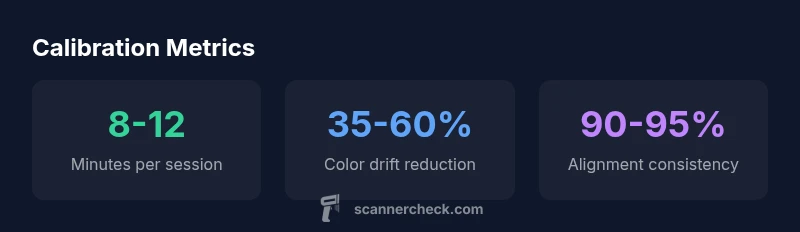
| Time | 8-12 minutes | 5-8 minutes |
| Results reliability | High (with sheet) | Medium (no sheet) |
Common Questions
What is an ambir scanner calibration sheet?
It is a physical reference with color targets, grayscale bars, and geometry markers used to align color, brightness, and geometry in Ambir scanners. It provides a repeatable standard that improves scan consistency.
An ambir calibration sheet is the reference you use to set color, brightness, and geometry so your scans stay consistent.
How often should I calibrate my Ambir scanner using the sheet?
Calibrate at regular intervals, such as monthly, or after firmware updates and hardware changes. In fast-changing environments, more frequent calibs may be warranted.
Calibrate regularly—think monthly, or after firmware updates or hardware changes.
Can I calibrate without the sheet?
Software-based color management can adjust some parameters, but the sheet provides a physical reference that improves accuracy and repeatability across sessions.
You can try software tools, but the sheet gives a reliable, physical baseline.
What are signs that calibration is failing?
Look for color shifts between scans, inconsistent grayscale, or unexpected skew and edge misalignment. If these appear, recalibrate and verify results against targets.
Watch for color shifts, odd grayscale results, or skew; recalibrate if you notice drift.
Does the calibration sheet affect all scan types?
Yes. Proper calibration improves color, brightness, and geometry across documents, photos, and receipts scanned with Ambir devices.
It helps all kinds of scans, not just one type.
Where can I find the Ambir calibration sheet?
Check Ambir’s official support page or product manual for the latest calibration sheet and model-specific instructions.
Look on Ambir’s support site for the latest calibration sheet and steps.
“Regular calibration with the Ambir sheet reduces color drift and improves document fidelity across devices.”
Key Takeaways
- Follow the sheet precisely to establish baseline accuracy.
- Calibrate regularly to prevent drift between scans.
- Maintain stable lighting and an uncluttered workspace during calibration.
- Record results for QA and audits.
- Pair the sheet with software checks for best outcomes.