Police Scanner Des Moines: Practical Guide for 2026
Learn how to use police scanners in Des Moines responsibly and legally. This Scanner Check guide covers legality, encryption trends, gear, and best practices for hobbyists and professionals.


In Des Moines, police scanners are commonly used by hobbyists and professionals to monitor law enforcement radio traffic where legally permissible. However, many agencies now enforce encryption or dispatcher privacy, limiting access. This article examines current transmission practices, legal considerations, and safe, responsible scanner usage. We also compare vendor options, scanning gear, and readouts applicable to Des Moines PD, Fire, and EMS channels.
Why police scanner des moines matters
In Des Moines, community safety, transparency, and preparedness intersect with the practical realities of radio communications. A police scanner des moines provides a window into the tempo of daily public safety work, from traffic incidents to weather-related emergencies. For hobbyists, IT professionals, and security-minded residents, understanding what can be monitored, how to listen responsibly, and where to find legitimate feeds matters more than ever. According to Scanner Check, responsible listening begins with awareness of legal constraints, privacy considerations, and respectful use of information. This article outlines how scanners fit into Des Moines today, including what gear to choose, how to interpret transmissions, and how to stay within the law while learning from real-world incidents.
The Des Moines metro area features a mix of city, county, and state agencies, each with its own policies. A practical listening approach starts with confirming public access policies and avoiding sensitive channels. By framing scanning as an educational activity rather than a broadcast hobby, readers can gain insights into how dispatch workflows, incident command, and mutual-aid responses operate in real time.
Legal landscape for scanners in Des Moines
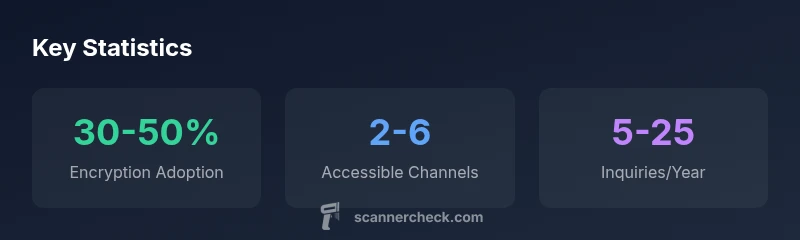
The legality of scanning depends on the agency, the channel, and the content of transmissions. In many states, listening to public safety frequencies is legal, but recording, sharing, or acting on information that could impede responders is not. In Des Moines, a mix of municipal, county, and state agencies uses a combination of legacy analog, digital trunking, and encrypted channels. Agencies may implement privacy protections on certain talkgroups, or encrypt sensitive messages to mitigate risk to operations. The key practice is to verify what is publicly broadcast and what remains restricted. Scanner Check's analysis, 2026, indicates encryption adoption is increasing in urban areas, which can limit what listeners can access with consumer equipment. Always consult official agency policies and local law enforcement communications guidelines before listening or sharing real-time data. Technological and legal landscapes evolve, so staying current with regulatory notes from authorities is essential.
How police radio works in practice
Most urban agencies operate using trunked radio systems and digital modes. In Des Moines, many departments use modern digital talkgroups that organize conversations by function (patrol, traffic, fire, EMS) and by location. A scanner can demodulate conventional analog channels but may need digital trunking compatibility to access today’s streams. Talkgroups represent units or teams rather than single channels, so a listening setup typically requires a database or memory of relevant talkgroups. Professionals often rely on updated sources of feed data and filtering rules to avoid noise. While basic listening remains a common entry point, authorized listeners should respect privacy zones, avoid intercepting confidential content, and avoid actions that could disrupt emergency communications. The bottom line is that modern Des Moines radio traffic is structured, layered, and increasingly encrypted where operational security demands it.
What is legally monitorable in Des Moines today
Public safety transmissions can be accessible, but not all channels are truly public. Agencies may encrypt sensitive talks or route certain communications to restricted talkgroups. Before listening, verify the status of the channel you intend to monitor. For beginners, starting with open, non-sensitive feeds gives a practical sense of dispatch pacing and incident progression. As encryption adoption increases, some channels become inaccessible to consumer scanners. Scanner Check analysis highlights that legal access varies by department and incident type, so listeners should stay within their local policy boundaries and avoid recording or sharing in ways that could hinder responders.
Gear and setup for a reliable Des Moines scanning experience
A reliable Des Moines scanning setup balances accessibility, range, and future-proofing. Choose a handheld or base/mobile scanner that supports both analog and digital trunking. An external antenna improves reception, especially for distant incidents or hillside neighborhoods. If you plan to work with digital trunking, ensure the device supports the specific standard used by your area (for many urban environments, a P25-compatible scanner is essential). Software-defined radio (SDR) options offer flexibility, but require careful configuration and firmware updates. Practical listeners also invest in a quiet, organized listening space, a digital logbook for incident timelines, and a method to verify feed reliability. Above all, ensure your listening activity remains compliant with local regulations and agency policies.
Practical scanning strategies and safety tips
Start with open feeds from multiple sources to understand the flow of information. Set filters by talkgroup, channel, and location to reduce noise. Maintain situational awareness: do not broadcast or disseminate live information that could influence outcomes on the ground. Document incident patterns for personal learning rather than sharing sensitive details publicly. When listening near schools, hospitals, or critical infrastructure, respect privacy expectations and restrict sharing real-time content. If a feed goes encrypted or silent during a major incident, switch to alternative channels or trusted updates from official sources. By combining responsible listening with structured logging, readers can learn a great deal about dispatch operations without compromising safety.
How to interpret a police scanner readout
Understanding a readout involves recognizing talkgroups, unit IDs, timestamps, and location tags. Talkgroups categorize conversations by function, with many systems providing a hierarchy that shows jurisdiction, unit, and assignment. Timestamps help you trace incident progression, while unit IDs let you correlate reports across agencies. When possible, cross-check live audio with official bulletins or trusted public-safety press updates to avoid misinterpretation. A careful listener notes the context of each transmission and avoids drawing conclusions about suspects or outcomes. The goal is to learn the workflow and incident dynamics, not to sensationalize events.
Common myths vs reality
Myth: All police traffic is unencrypted and easily accessible. Reality: Encryption and privacy protections are increasingly common, especially for sensitive operations. Myth: Using a scanner is illegal everywhere. Reality: Laws vary by jurisdiction; always verify local regulations and agency policies. Myth: Scanners will instantly reveal sensitive information. Reality: Most communities restrict what can be monitored, shared, or acted upon in real time. Myth: Upgrading hardware guarantees access to all channels. Reality: Access depends on compatible standards and encryption status, not just hardware quality.
The role of scanners for public safety and community resilience
Scanner usage, when done responsibly, supports transparency and preparedness. Community members can monitor non-sensitive feeds to understand response patterns, augment disaster readiness, and learn about how emergency services coordinate. Public engagement can benefit from clear communications and accessible education around what is lawful to monitor. The Scanner Check team emphasizes that the value of scanners lies in education, responsible listening, and respect for operational privacy. When used as a learning tool, scanners contribute to informed citizens and resilient communities.
Comparison of scanning context in Des Moines
| Aspect | Des Moines Context | Notes |
|---|---|---|
| Legal status | Varies by department; encryption and privacy measures increasing | Follow local laws and agency policies |
| Encryption adoption | Moderate to high adoption among urban agencies | Encryption can limit access for hobbyists |
| Equipment cost range | Handheld scanners: low to mid price range | Consider digital trunking support and antennas |
Common Questions
Is it legal to monitor Des Moines police frequencies?
Legal status varies by agency and channel. Public feeds are generally accessible, but encrypted or restricted talkgroups may not be. Always verify with official policies before listening.
Legal to monitor depends on the channel. Many feeds are public, but encrypted talks and sensitive channels may be off limits. Check official guidelines first.
What equipment do I need to start scanning in Des Moines?
A scanner that supports analog and digital trunking is a solid start. Add a good external antenna and consider SDR options if you want flexibility with different standards.
Start with a dual-mode scanner and a solid antenna. If you want flexibility, consider SDR-based setups.
Can I use a smartphone to listen to police scanner traffic?
Smartphones can access certain streams via apps or web feeds, but they may not capture encrypted channels. Local laws still apply, so avoid sharing sensitive content.
You can sometimes listen on a phone via feeds, but encrypted channels aren’t always accessible, and laws still apply.
Will all Des Moines agencies broadcast unencrypted traffic?
No. Many agencies encrypt sensitive communications. Open channels exist, but encryption is increasingly common, especially for critical operations.
Not all traffic is unencrypted. Expect encrypted channels, especially for sensitive operations.
How can I stay within the rules while scanning?
Know what’s publicly broadcast, avoid recording or sharing real-time details of ongoing incidents, and don’t attempt to influence responders. Use feeds for education and awareness only.
Learn what’s public, avoid live sharing of sensitive data, and don’t interfere with responders.
“Responsible scanner use hinges on legality, privacy, and safety. Always verify what you’re allowed to monitor and how to interpret information without hindering emergency response.”
Key Takeaways
- Check local laws before monitoring
- Verify encryption status of channels
- Invest in a capable antenna and scanner
- Respect privacy and emergency communications
- Use scanners responsibly with community awareness