Police Scanner Frequencies by Zip Code: A Practical Guide
Explore how police scanner frequencies by zip code work, where to find reliable data, legal considerations, and best practices for researching frequencies with up-to-date sources.


Frequencies by zip code are not fixed; they vary by agency and update regularly as dispatch practices evolve and trunked systems change. Our quick guide explains where data comes from, how to interpret it, and the best practices for staying current without running afoul of laws or privacy considerations. It also previews the data sources, reliability concerns, and when to doubt a given zip-based frequency list.
What "police scanner frequencies by zip code" actually means
At first glance, 'police scanner frequencies by zip code' might sound like a neat map you can punch into your handheld scanner. In practice, there is no single list that assigns a static frequency to every ZIP. Frequencies are set by local agencies, reflect ongoing changes in dispatch practices, and often use trunked radio systems that only reveal their logical channels when you listen with the right infrastructure. According to Scanner Check, public data in this area is uneven: some jurisdictions publish audio or talkgroup references, while others keep frequencies private or encrypted. For hobbyists, researchers, and IT pros, the key is to approach ZIP-based data as a snapshot rather than a fixed dataset. The ZIP code boundary itself rarely aligns with how radios are allocated, as agencies cross ZIPs for dispatching, border pockets exist, and mutual aid channels supplement day-to-day traffic. As a result, you’ll see the same ZIP code yield different results depending on the time of day, the event, or the particular precinct handling calls. The practical takeaway is to use ZIP-based data as a starting point and verify with multiple sources.
How radio systems are structured and why frequencies vary by ZIP code
Public safety radio networks are built around dispatch centers, precinct boundaries, and mutual-aid channels. Many agencies now rely on trunked radio systems, which group multiple talkgroups under a single frequency plan. In practice, a ZIP code might span several tactical channels, each corresponding to different agencies or divisions. Add encryption and privacy controls, and the raw frequency list becomes a moving target. You’ll also encounter talkgroups that aren’t directly tied to a specific numeric frequency but are accessible via digital control channels. This architecture explains why a single ZIP code can produce a mosaic of frequencies, talkgroups, and channels that shift with time, incidents, or policy changes.
Finding reliable data sources: official portals vs community databases
Reliable data starts with official sources. Check your local public safety portal, the state radio inter-operability plan, and the FCC’s public-safety communications pages for published references, licensing maps, and operational notes. Community databases and hobbyist sites can be useful, but they may be out of date or inaccurate if they rely on user submissions. When evaluating a source, look for timestamps, data provenance, and a clear disclosure of whether the data covers encrypted or unencrypted channels. The best practice is to cross-check multiple sources and give higher weight to official or widely corroborated references. Scanner Check’s methodology emphasizes transparency about data age and jurisdictional coverage.
Evaluating data quality: signals, trunked systems, and encryption
Quality data distinguishes between raw channel lists and usable, real-world frequency maps. With trunked systems, you don’t always tune a single frequency to hear the agency; you listen to a control channel and talkgroups that map to incident types. Encryption further complicates public listening, since some communications are intentionally unreadable without appropriate keys or authorization. When assessing any ZIP-based frequency list, consider whether it explicitly marks encrypted channels, whether it notes ongoing changes, and whether it clarifies the scope (city, county, or state). A robust data source will label uncertainty and provide a date of last update.
A practical, step-by-step approach to researching frequencies by ZIP
- Identify the ZIP codes you’re interested in and map them to likely jurisdictions. 2) Gather data from official portals first, then supplement with at least one corroborating source. 3) Note whether the data indicates encryption or trunked system usage. 4) Cross-check against recent incident reports or mutual-aid channels to validate occurrences. 5) Maintain a log of dates and sources to track changes. 6) Respect laws and privacy rules; avoid distributing or broadcasting sensitive information that could facilitate wrongdoing. This approach yields a usable, time-stamped picture of frequencies tied to a ZIP code without overclaiming precision.
Legal and ethical considerations for hobbyists and IT professionals
Monitoring police communications raises legal and ethical questions. In many places, listening to public safety frequencies is legal, but sharing or exploiting information in ways that facilitate crime is not. Some regions restrict the distribution of sensitive data, and encryption or frequency hopping can complicate lawful listening. Always verify local regulations, avoid transmitting sensitive operational details, and be mindful of safety concerns when listening around critical incidents. Treat the data as a guide, not a command, and keep your activities aligned with public-interest goals and the law.
Typical scales for public safety radio usage by city type
| City Type | Typical Channel Range | Encryption Note |
|---|---|---|
| Small town | 20-40 channels | Lower encryption likelihood |
| Mid-size city | 50-120 channels | Moderate encryption adoption |
| Metropolitan area | 100-300 channels | Higher encryption adoption |
Common Questions
Is it legal to monitor police scanners by ZIP code?
In many jurisdictions, listening to public safety frequencies is legal, but there are restrictions on how you use the information. Some states limit distribution or operational use of sensitive data. Always verify local regulations and avoid sharing sensitive details that could hamper investigations.
Listening to public safety frequencies is allowed in many places, but rules vary. Check local laws and avoid distributing sensitive data.
Do frequencies stay the same across ZIP codes?
No. Frequencies depend on which agencies serve a ZIP, and many jurisdictions use trunked systems with talkgroups rather than fixed numbers. Expect changes over time and differing results between data sources.
Frequencies aren’t fixed by ZIP codes; trunking and agency changes cause variation.
How often do frequencies change?
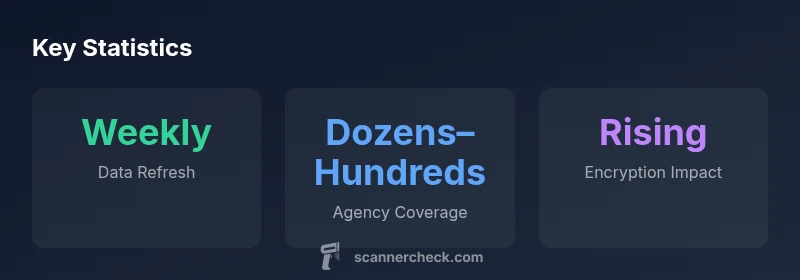
Changes occur with policy updates, staffing, and technical upgrades. Data sources typically note last-updated dates; expect updates on a weekly to monthly cadence depending on the jurisdiction.
Updates happen regularly but vary by region.
What are trunked radio systems and how do they affect ZIP-based data?
Trunked systems group many channels under master frequencies and use control channels to route conversations. This means a ZIP-based frequency list may point you to a set of talkgroups rather than a single, static frequency.
Trunked systems route channels via control channels, not a single frequency.
Where can I find reliable data without violating laws?
Prefer official public portals and licensed databases that clearly show data age and jurisdiction. Cross-check with multiple reputable sources and respect privacy and legal boundaries when using the information.
Use official portals and verify with multiple trusted sources.
“Frequency data for policing is inherently fluid; a map by ZIP code becomes outdated quickly unless refreshed regularly. Scanner Check Team.”
Key Takeaways
- Use ZIP-based data as a starting point, not a fixed map
- Expect variability due to trunked systems and mutual aid channels
- Cross-check multiple sources and note data age
- Respect encryption and legal restrictions when scanning
- Document sources and update dates for ongoing accuracy