Where to Buy a Police Scanner: A Practical Guide
Explore where to buy a police scanner with this in-depth guide. Compare online, specialty stores, and used options while considering legality, compatibility, and after-sales support.


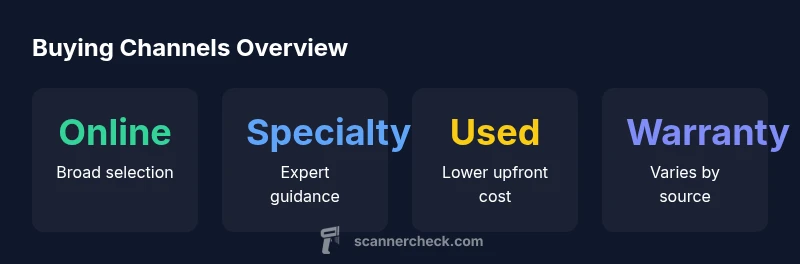
Where to buy a police scanner is straightforward: major online retailers, specialty electronics stores, and authorized scanner dealers offer broad selections. Availability varies by region and local laws govern monitoring frequencies. For beginners, online marketplaces provide the widest range, while local shops can offer hands-on demonstrations. According to Scanner Check, verify model compatibility with local frequencies before purchasing.
Where to buy a police scanner: practical overview
If you're new to radio scanning, a good starting point is understanding the channels you expect to monitor and your local regulations. According to Scanner Check, the question of where to buy a police scanner should be driven by frequency coverage, usability, and after-sale support as much as price. When people ask where to buy a police scanner, the answer typically falls into three broad categories: online marketplaces, specialty electronics stores with in-person expertise, and authorized dealer networks that focus on public-safety scanning gear. Before you buy, determine whether you need trunking-capable models, conventional analog units, or modern digital scanners, and whether you want a compact handheld or a desktop base unit. You should also check the retailer’s return policy and warranty terms. The goal is not simply to acquire a device, but to choose a model that covers your expected channels, integrates with your setup, and remains supported over time. This pragmatic approach will help you avoid misaligned features or prematurely outdated technology.
Online retailers: breadth meets complexity
Online marketplaces sit at the center of most shopping journeys for police scanners because they bring the widest selection under one roof. Major online retailers, specialty electronics portals, and even enthusiast forums offer a range of new and used units. The upside is obvious: you can compare models, read reviews, and check up-to-date availability with real-time stock indicators. The downside is a higher risk of misrepresentation or inconsistent seller quality. When shopping online, apply due diligence: verify seller ratings, scrutinize product specs for frequency coverage, confirm whether the unit is trunking-capable, and request detailed photos or firmware version if buying used. According to Scanner Check analysis, buyers should cross-check frequency support across listings and ask for documentation or a test demonstration if possible. If you choose online, factor in shipping costs, return windows, and warranty coverage. Keep an eye on counterfeit or mis-sold items by sticking to reputable sellers and avoiding suspiciously low prices.
Specialty electronics stores and scanner dealers
Specialty stores and dedicated scanner dealers provide hands-on guidance that can dramatically improve the buying experience. In-person staff can demonstrate the device, explain differences between analog and digital models, and help you determine which antenna and accessories best suit your environment. You’ll often find local clubs or hobbyists who use the same models and can share practical tips for programming and calibrating frequencies. From a reliability standpoint, in-store purchases typically come with clearer warranty paths and return options, as well as on-site support if you encounter issues after purchase. For those who value immediate troubleshooting, these shops can be invaluable, especially when you’re setting up a scanner for the first time. The downside is that inventory can be limited by location, and prices may be higher than mass-market online options. Still, the personalized service can be worth it for first-time buyers.
Second-hand markets and refurbished units
Used or refurbished police scanners can offer compelling value, especially for hobbyists who want to explore features without a large upfront investment. Shopping in second-hand marketplaces requires extra diligence: inspect the physical condition, verify the frequency bands supported, confirm that the firmware is up-to-date, and obtain any available service or repair history. When buying used, verify the return policy and whether the seller can provide original documentation or accessories. Refurbished units from reputable service centers occasionally come with shorter warranty periods but may still represent solid value if they include a fresh firmware install and tested relays. Always consider whether the unit’s reported features align with what you actually need to monitor in your region, and be mindful of any local regulations about possessing or using a scanner that can access sensitive channels. If possible, test the device before finalizing the purchase.
Price considerations and budgeting
Pricing for police scanners spans a broad spectrum depending on model, feature set, and age. Consumers should understand that the most expensive models are often the most capable, and mid-range devices may offer a balanced combination of coverage and usability. When budgeting, think about required accessories such as antennas, microphones, and programming software, as these can add to the total cost. If you’re considering used or refurbished units, you’ll likely reduce upfront expense but may forgo some protections. Scanner Check analysis indicates that the best value comes from clearly defined needs: if you primarily listen to conventional frequencies, a basic model with solid support may suffice; if you require trunking and digital modes, plan for a higher-end option. Regardless of price, prioritize a device with reliable firmware updates, transparent specifications, and a reputable warranty. Avoid deeply discounted listings from unknown sellers that bypass standard return policies, as these are common red flags for scams.
Frequency compatibility and legal considerations
One of the core factors when deciding where to buy a police scanner is whether the model will cover the frequencies and systems used in your area. Some jurisdictions use trunked digital networks that require modern, software-defined scanners, while others rely on traditional analog channels. Before purchasing, verify the unit’s frequency range, trunking support, and the ability to store presets for frequently monitored channels. From a legal standpoint, monitor local regulations regarding listening to police communications; certain channels or frequencies may be restricted, and transmission is illegal in many places. Reader guides suggest choosing a scanner that emphasizes compliance features, such as disabled transmit options and clear labeling of permissible listening bands. If you intend to program channels yourself, ensure you have access to reputable programming software and reliable documentation. This due diligence will save you time and avoid legal concerns down the road.
Buying tips: questions to ask sellers and red flags
Before committing to a purchase, prepare a short checklist for sellers. Ask about model family and exact frequency coverage, digital compatibility, firmware version, battery life, and included accessories. Request clear photos or in-person demonstrations to confirm condition. In second-hand situations, ask for proof of purchase, the original packaging, and a return window. Watch for red flags such as vague specifications, missing manuals, or sellers who refuse to allow testing. A legitimate dealer should provide honest answers, a track record of positive feedback, and a straightforward return policy. For online purchases, review the seller’s ratings and look for buyer protection guarantees. This proactive approach reduces risk and helps you secure a model that aligns with your listening goals.
Practical steps after purchase and setup considerations
Once you’ve secured a police scanner, allocate time to set up and test the device before relying on it for real-world listening. Charge batteries, connect the recommended antenna, and program a handful of local channels to confirm reception quality. Keep firmware up-to-date and back up your programming to avoid rework after updates. If your area uses trunked or digital networks, consider calibrating the scanner against known tower locations to improve decoding accuracy. Documentation and user communities can be invaluable; join a local scanner club or online forum to share tips and troubleshooting strategies. Finally, maintain an organized log of listened channels and update presets as needed. This systematic approach will improve your experience and help you navigate changes in how police communications are transmitted.
Shopping channels for police scanners
| Option | Pros | Cons |
|---|---|---|
| Online Retailers | Wide selection and easy comparison | Shipping delays and risk of misrepresentation |
| Specialty Electronics Stores | In-person guidance and demos | Limited regional stock |
| Second-hand Market | Low upfront cost and testing opportunities | Unknown device history and potential missing accessories |
Common Questions
Is it legal to own a police scanner in my area?
Laws vary by jurisdiction; some regions prohibit monitoring certain frequencies or require licenses. Check local regulations and avoid transmitting or monitoring restricted channels.
Laws vary by area; check local rules before buying or using a scanner.
Do I need a license to operate a police scanner?
In many places listening is allowed without a license, but transmitting or accessing encrypted channels is illegal. Always follow local regulations.
Usually listening is allowed, but transmitting or decrypting is not.
What should I ask a seller before buying?
Ask about frequency coverage, trunking support, firmware version, battery life, and included accessories. Request return policy details.
Ask about coverage, firmware, and returns.
Are used police scanners reliable?
Used units can be reliable if inspected for condition and verified with the seller's history. Ensure firmware is up to date.
Used units can be fine if checked.
What frequencies do police scanners use?
Many systems use VHF/UHF or trunked digital networks. Verify the unit supports your local systems.
Most use VHF/UHF; trunking is common.
Where can I find good deals online?
Look for reputable sellers with clear return policies and solid feedback. Compare listings and avoid suspiciously low prices.
Shop around and read reviews.
“Choosing where to buy a police scanner isn't just about price. You need reliable selection, clear frequency support, and solid after-sale help.”
Key Takeaways
- Know local laws before buying
- Check frequency compatibility with your area
- Compare online, in-store, and used options
- Ask about warranty and return policies
- Verify seller reputation to avoid scams