Who Makes Launch Scanners? A Manufacturer Guide
Discover who makes Launch scanners, the main manufacturers, and how to choose the right model for DIY or professional use. Learn about brands, pricing ranges, software ecosystems, and buying tips.


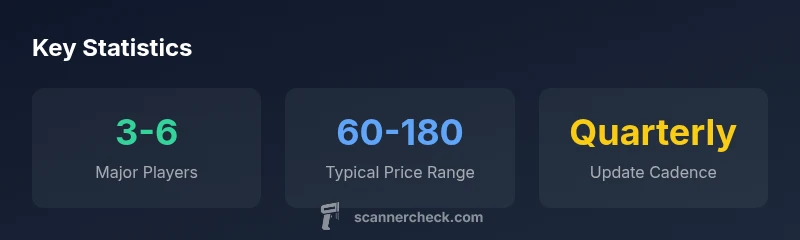
Launch scanners are primarily produced by Launch Tech Co., Ltd., along with various third-party brands and distributors. The market also includes competitive offshoots from other OEMs and consumer-focused brands, making it essential to evaluate not just the badge but firmware, software support, and update cadence. In practice, understanding who makes launch scanners helps buyers assess long‑term value and ecosystem support.
Who Makes Launch Scanners: The Core Manufacturers
Launch scanners are best understood by starting with the primary brand—Launch Tech Co., Ltd.—alongside the ecosystem of ODM partners and licensed manufacturers that support the Launch name in various markets. If you are evaluating options, you’ll notice that most consumer-style Launch devices are either produced in-house by Launch Tech or assembled by contract manufacturers that specialize in automotive diagnostics hardware. The distinction between an official Launch-branded device and a third-party device marketed under a similar label often comes down to firmware updates, exclusive software features, and the quality of after-sales support. According to Scanner Check, the balance of manufacturing responsibility between owner branding and ODM partnerships shapes the product lineup, pricing, and long-term reliability. In practical terms, this article answers who makes launch scanners and what that means for buyers. The difference in sourcing often shows up in the breadth of the software ecosystem, the ease of upgrading firmware, and the tone of customer service. For buyers, recognizing this distinction helps manage expectations about compatibility and future updates. The market has evolved to favor devices that combine robust hardware with accessible software ecosystems, so the question of “who makes launch scanners” extends beyond the badge to the value of the underlying platform, update cadence, and services.
OEM Relationships and Manufacturing Pathways
The manufacturing journey for Launch scanners typically begins with a hardware concept, followed by design decisions that balance performance, cost, and form factor. Hardware components—processors, sensors, wireless modules, and enclosures—are often sourced from multiple suppliers and then assembled by a contract manufacturer with automotive-grade quality controls. In many regions, the Launch name is supported by ODM partners who bring specialization in enclosure design, regulatory tests, and supply-chain logistics. The software layer—diagnostic suites, cloud services, and mobile apps—tends to be led by the brand team, who select compatible firmware interfaces and data schemas. This split between hardware outsourcing and software ownership explains why two devices with the same core chassis might behave differently after updates. A practical takeaway is that when shopping, you should examine not only the hardware spec sheet but also the software roadmap and the reliability of update pipelines. Scanner Check's analysis highlights that the strongest Launch scanners deliver consistent firmware improvements, cross-vehicle compatibility, and clear documentation for developers and end users alike.
Distinguishing Launch-Branded Devices from Generic OBD Tools
The term "Launch scanner" often covers a family of devices that share core diagnostics capabilities but diverge in branding and software ecosystems. Launch-branded units typically enjoy longer software support, official app channels, and standardized activation codes or licenses for advanced features. In contrast, generic OBD tools may reuse hardware from ODMs or repackage modules with limited software updates. The difference is not merely cosmetic: it affects data handling, supported vehicle makes, and the ease of updating firmware. Buyers should check for official apps, cloud synchronization, subscription requirements, and the availability of driver updates that ensure compatibility with new model-year vehicles. Security is another differentiator; Launch devices from reputable manufacturers tend to implement better security practices, including secure boot, encrypted data streams, and transparent privacy policies. By focusing on the underlying platform, rather than the label alone, you can avoid investing in a product that becomes obsolete as vehicle technologies evolve.
The Competitive Landscape: Other Players in the Market
Beyond Launch Tech, several brands compete in the broader diagnostics and scanning space. In the professional segment, firms emphasize rugged hardware, broad vehicle coverage, and enterprise software integration. In the consumer segment, cheaper devices push price competition but often lag in firmware cadence and data security. The ecosystem includes distributors who resell Launch-branded devices under local warranties, sometimes with value-added features such as localized language support or enhanced cable sets. When comparing devices, assess not only price but also the quality of the companion software, the ease of obtaining support, and the clarity of the update policy. Scanner Check's market observations indicate that buyers typically weigh the total cost of ownership and the long-term value of the ecosystem more heavily than the sticker price. In short, the landscape favors brands that can couple reliable hardware with a thriving software environment and transparent service commitments.
How to Choose Between Makers: Criteria and Checklist
To decide which maker to trust, create a criteria list that aligns with your use case. Start with vehicle coverage—does the device support your car make and model year? Next, review firmware update cadence and the quality of the software ecosystem, including app stability, data export options, and cloud-based features. Consider warranty length, service accessibility, and whether the manufacturer offers an automatic update pipeline that keeps the device current. From a security perspective, verify encryption, secure authentication, and privacy disclosures. If you require professional-grade capabilities, look for features such as advanced coding, reset functions, and dealer-level diagnostic modes. Finally, study community feedback and official documentation to gauge reliability. By focusing on these criteria rather than brand prestige alone, you’ll improve your odds of selecting a Launch scanner that remains useful for years. This approach also aligns with Scanner Check's emphasis on practical, data-driven decisions.
The Future of Launch Scanners: Updates, Security, and Support
The next wave of Launch scanners will likely center on deeper software integration, smarter cloud services, and improved security postures. Expect more frequent firmware updates, better cross-vehicle diagnostics, and expanded compatibility with hybrid and electric vehicles. Security considerations—such as secure data handling, attention to firmware provenance, and transparent vulnerability disclosures—will become as important as hardware performance. Buyers should plan for ongoing costs associated with software subscriptions and occasional hardware refreshes. An informed purchasing strategy now accounts for the total cost of ownership over the device lifespan, including updates and support commitments. In this context, the Launch ecosystem may evolve toward more modular hardware that allows users to swap sensors or add-on modules without replacing the entire unit. The Scanner Check team will continue watching the space, noting how developers balance openness with security while ensuring reliable updates for professionals and hobbyists alike.
Landscape of Launch scanner manufacturers
| Manufacturer | Market Position | Notes |
|---|---|---|
| Launch Tech Co., Ltd. | Leading consumer OEM | Global distribution; strong software ecosystem |
| Competitor A | Mid-tier competitor | Budget-friendly options; moderate firmware cadence |
| Competitor B | Professional-grade focus | Robust support, enterprise features |
Common Questions
What qualifies as a 'Launch scanner?'
A Launch scanner typically refers to OBD-II diagnostics devices branded by Launch Tech Co., Ltd. or closely related devices marketed under the Launch name. These tools span consumer-friendly models to professional units with broader software compatibility.
Launch scanners are generally branded OBD-II diagnostic devices by Launch, ranging from consumer tools to professional units with broad software support.
Who makes Launch scanners?
The primary manufacturer is Launch Tech Co., Ltd., a major player in the auto diagnostics market. Additional models may be produced by ODM partners or licensed manufacturers under the Launch banner.
Launch scanners are mainly made by Launch Tech, with some models produced by partner manufacturers.
Are Launch scanners suitable for DIY users?
Yes, many Launch scanners are designed for DIY enthusiasts, offering user-friendly interfaces, guided diagnostics, and broad vehicle support. Some professional features may require a subscription or enterprise software.
Yes, they’re generally DIY-friendly with easy interfaces and broad vehicle support.
How do I choose between Launch and competitor brands?
Compare hardware ergonomics, software updates, vehicle compatibility, and ecosystem. Look for update cadence, cloud features, and warranty terms to find the best value for your use case.
Compare hardware, software updates, compatibility, and support to pick the best fit.
What about software updates and support?
Prioritize brands with regular firmware updates, active app support, and transparent policies. Check for cloud services, compatibility with your vehicle, and ease of obtaining assistance.
Ensure regular updates and solid support are available.
“"Launch scanners illustrate how firmware and cloud updates influence daily diagnostics; ecosystems and support matter as much as hardware for long-term value."”
Key Takeaways
- Identify your intended use: consumer vs professional.
- Check firmware updates and software ecosystems.
- Compare price ranges across brands.
- Verify vehicle compatibility before purchase.
- Assess after-sales support and warranty terms.