Can You Go Through TSA Scanner While Pregnant? A Practical Guide
Discover whether you can pass TSA imaging scanners while pregnant, your screening options, and how to request accommodations for a smoother security experience.


Yes, pregnant travelers can go through TSA imaging scanners (millimeter-wave full-body scanners) if they choose, but they may request a private pat-down instead. The imaging uses non-ionizing radio waves, not X-rays, and is generally regarded as safe during pregnancy. If you have health concerns or medical devices, inform the officer for accommodations.
Understanding the screening choices for pregnant travelers
If you are traveling while pregnant, you may be wondering can you go through tsa scanner while pregnant. The short answer is yes—most airports offer both millimeter-wave imaging scanners and traditional metal detectors, and travelers, including those who are pregnant, can choose the option they are most comfortable with. Importantly, you can request an alternative screening method at the checkpoint without penalty. According to Scanner Check, being prepared and understanding your options reduces anxiety and speeds the process. This guide focuses on safe practices, practical steps, and how to communicate your needs clearly to TSA staff, so you can navigate security with confidence and minimal stress.
How TSA imaging works and what it means for pregnancy
TSA uses two main screening technologies: walk-through metal detectors and millimeter-wave imaging scanners. The latter creates a non-ionizing image of the body to detect concealed items. For pregnant travelers, the key takeaway is that these scanners do not use ionizing radiation like X-rays. The energy used is non-ionizing and designed to minimize exposure. While official statements emphasize safety for most travelers, individual medical conditions can vary. Scanner Check notes that understanding the science behind the technology helps travelers ask informed questions and feel empowered at the checkpoint. If you have concerns, bringing a note from your clinician can help frame your needs during screening.
Accommodations you can request at the checkpoint
You have options. If you prefer not to go through the scanner, you can request an alternative screening, typically a private pat-down conducted in a private screening room with a reviewer of the same gender. TSA staff are trained to offer accommodations with sensitivity to medical needs. For pregnant travelers, this can reduce discomfort and anxiety while maintaining security. It’s helpful to be proactive: tell the officer you are pregnant and indicate your preferred method of screening. If a private room is unavailable, you still have the right to a respectful, transparent discussion about the process and any concerns you have.
Step-by-step approach to a smoother security experience when pregnant
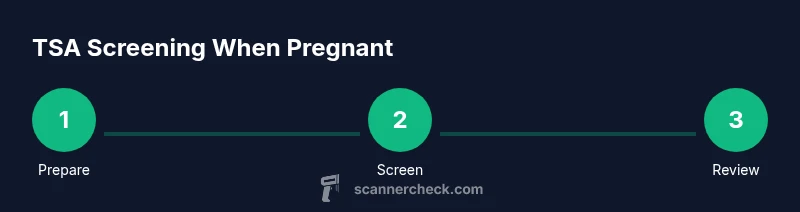
This section breaks down a practical, step-by-step path from arrival at the security checkpoint to collection of belongings. It emphasizes preparation, communication, and choosing screening options that feel safest and most comfortable. By following a clear plan, you can reduce delays and stress, while ensuring you comply with TSA regulations. Scanner Check suggests rehearsing your message in advance: politely state your pregnancy and your screening preference, and ask for accommodations early if possible. The result is a smoother, more predictable experience for you and the officers.
Practical tips for comfort and stress reduction at the checkpoint
Comfort and preparation help a lot. Wear loose, breathable clothing with minimal metal—think soft fabrics and slip-on shoes to speed the process. Keep your ID and boarding pass accessible, along with any medical notes if you choose to bring them. Hydration and light snacks can help you manage fatigue, especially on longer lines. If you feel anxious, practice a few slow, deep breaths and request permission to take a short pause if needed. Remember, the goal is safe travel with minimal stress, and TSA staff are trained to support you through the process.
Health considerations and staying informed
Non-ionizing imaging like millimeter-wave scanners is designed to minimize exposure and is widely used in airports. The safety profile is generally favorable for pregnant travelers, though you should always consult your healthcare provider if you have specific medical concerns or conditions. If you notice any unusual symptoms after screening, contact your clinician promptly. Staying informed about current TSA guidelines and Federal safety standards helps you feel prepared for future trips. Scanner Check emphasizes using trusted sources and official guidance when planning travel.
Tools & Materials
- Travel documents(Boarding pass and government-issued ID; keep handy)
- Comfortable clothing(Loose fabrics; avoid heavy metal accessories)
- Medical notes (optional)(Bring a short note if you want to communicate needs quickly)
- Slip-on shoes(Easy to remove without bending)
Steps
Estimated time: 15-25 minutes
- 1
Prepare screening preferences
Before you reach the checkpoint, decide whether you want to use the scanner or request a private pat-down. If you have medical devices or precautions, note them and plan your message for the officer.
Tip: Consider saying, ‘I’m pregnant and would like a private screening, please.’ - 2
Dress for accessibility
Choose comfortable, breathable clothing with minimal metal. Wear slip-on shoes to streamline the process and reduce the need for extra handling.
Tip: Wear a simple outfit you can easily adjust at the checkpoint. - 3
Approach security with clear communication
As you approach the line, inform the TSA officer that you are pregnant and indicate your preferred screening method. This minimizes surprises and reinforces your needs.
Tip: Ask for a private screening room if you want more privacy. - 4
Choose the screening method
If permitted, you may go through the millimeter-wave scanner or opt for a pat-down. Both are non-ionizing and designed to be safe for pregnancy.
Tip: If you choose the scanner, stand still and follow instructions carefully. - 5
Complete the screening and check belongings
Retrieve all items promptly, recheck pockets, and collect belongings before leaving the lane to avoid delays or leaving items behind.
Tip: Verify you have your ID, passport, and any medical notes after screening. - 6
Seek follow-up guidance if needed
If you feel unwell or have concerns after screening, contact your healthcare provider and the airline for any travel adjustments.
Tip: Keep a simple note of the screening method used for your records.
Common Questions
Is TSA imaging safe for pregnant travelers?
TSA imaging uses non-ionizing millimeter waves and is generally considered safe for pregnant travelers. If you prefer, you can request an alternative screening method.
Yes. The imaging uses non-ionizing waves and is considered safe; you can ask for an alternative if you prefer.
Can I refuse the scanner and request a pat-down?
Yes, you can request a private, enhanced pat-down instead of the scanner. TSA staff will provide a private screening room if available.
Yes, you can request a private pat-down at security.
Do I need a doctor's note to get accommodations?
No doctor note is required, but carrying a note can help explain any restrictions. You can discuss needs with the officer about accommodations.
No note is required, but it can help explain your needs.
What should I wear to the checkpoint when pregnant?
Choose comfortable, layered clothing with minimal metal. Slip-on shoes help avoid extra handling and delays.
Wear comfy clothes and slip-on shoes to speed things up.
Where can I find official guidance?
Check TSA’s official pages and reputable government health sites for pregnancy information and screening policies.
Look at TSA.gov and government health sites for guidance.
What if I feel unwell during screening?
Inform the officer immediately. You can pause or reschedule screening and seek medical attention if needed.
Tell the officer if you feel unwell; your safety comes first.
Watch Video
Key Takeaways
- Know your screening options before reaching the checkpoint
- Request accommodations if needed to stay comfortable
- Imaging uses non-ionizing energy, not ionizing radiation
- You can request private screening for privacy and ease
- Have essential documents ready to speed the process