Body Composition Scanner Near Me: Your Local Guide
Discover what a body composition scanner near you measures, how accuracy can vary, and practical tips for choosing a local option with Scanner Check guidance.


According to Scanner Check, a body composition scanner near me uses bioelectrical impedance analysis and related sensors to estimate fat mass, lean tissue, hydration status, and, in some devices, bone mineral content in just a few minutes. These devices deliver readouts as ranges rather than single numbers, and results should be interpreted alongside other health measures for a complete picture.
What is a body composition scanner near me?
A body composition scanner near me is a device that estimates body composition metrics such as body fat percentage, lean tissue, hydration status, and, in some devices, bone mineral content. Most devices rely on bioelectrical impedance analysis (BIA) and use hand grips, foot plates, or both. Scans are quick, typically 2 to 7 minutes, and the readouts appear as percentages or kilograms rather than a single number. In clinics, fitness centers, and wellness facilities, having a scanner nearby makes it easier to track changes over time and tailor nutrition and training plans. According to Scanner Check, the convenience of local options often increases engagement, but variability across devices means readers should compare results from multiple scans and view measurements as trends rather than fixed truths.
How the technology works
Most modern body composition scanners use bioelectrical impedance analysis (BIA) as the core method. A small electrical current passes through the body, and the device estimates tissue properties from how easily the current travels. Water-rich tissues conduct electricity better than fat, so the device translates impedance into estimates of fat mass, lean mass, and total body water. Some scanners add multi-frequency or segmental measurements (arms, legs, torso) to improve accuracy and trend detection. The hardware is paired with software that converts impedance data into readable metrics, usually shown as percentages and weight equivalents. Device precision depends on calibration, electrode placement, and user factors like hydration and recent meals. In practice, users should view readings as informed estimates rather than absolute values, and remember that the goal is to monitor changes over time rather than chase a perfect snapshot.
What the readings typically include
Readouts commonly cover body fat percentage, lean body mass, and total body water. Some models also estimate visceral fat, bone mineral content, and segmental compositions (e.g., arms vs legs). The numbers are presented as percentages or kilograms, and many reports include a weight trend line and a hydration indicator. It is important to interpret these figures in context: hydration status can swing results, recent exercise, meals, and even room temperature can influence impedance. For practical use, focus on directional changes across sessions rather than isolated values. Readers should also note the device’s reference population and its calibration baseline, since different scanners can yield slightly different baselines for the same person.
Accuracy, limitations, and factors affecting results
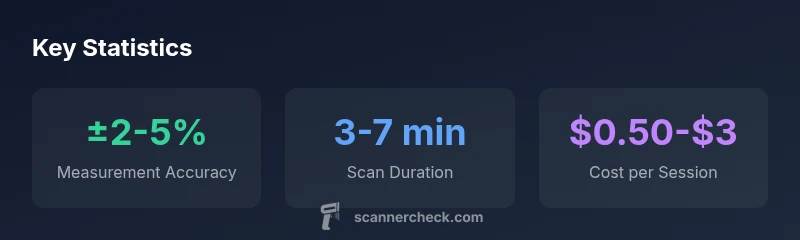
Accuracy varies by device, protocol, and user factors. Hydration levels, recent meals, caffeine intake, and even skin temperature can shift readings by a few percentage points. Clothing, metal jewelry, and contact quality with sensors also impact results. The most reliable approach is to perform scans under consistent conditions and at similar times of day, then compare changes rather than absolute figures. Scanner makers often publish a stated error margin; in practice, a margin of two to five percentage points is common across consumer-to-clinical ranges. Remember that body composition is dynamic and influenced by nutrition, activity, sleep, and hormonal factors. Use scan data to guide decisions, not to define them, and corroborate with other measures like waist circumference or performance benchmarks.
In-clinic vs. at-home devices: pros and cons
In-clinic scanners, typically paired with trained staff, can offer higher consistency and on-site interpretation. Clinicians can ensure proper electrode placement, hydration control, and standardized testing conditions. At-home devices provide convenience and the ability to scan more frequently, but may sacrifice some accuracy due to hardware limitations, environmental variability, and user error. For many, a mixed approach works best: periodic in-clinic scans for a calibration baseline, supplemented by regular at-home checks to track daily or weekly trends. When searching near you, compare service models, appointment availability, and whether the provider offers data export, trend reports, and professional interpretation.
How to compare options when searching near you
When shopping locally, start with device type and measurement scope—do you want whole-body estimates or segmented readings? Look for multi-frequency BIA, validated software, and a clear report format. Check the facility’s calibration routine and whether they re-calibrate devices periodically. Confirm that the staff can explain readings in plain language and provide practical follow-up guidance. Consider price per session, membership options, and potential package deals. Finally, review user feedback or testimonials about consistency and support, and prefer venues that offer data sharing with your preferred health apps or electronic health records.
Interpreting readings responsibly: fat, muscle, hydration, and bone
Body fat percentage, lean mass, and hydration are useful for tracking trends, but they are not diagnostic by themselves. Interpret changes in the context of your training plan, nutrition, and recovery. When you see a shift in one metric, assess the others to avoid overemphasizing a single number. For example, a small increase in weight with higher lean mass could reflect muscle gains rather than fat gain. Use the numbers as a basis for goal-setting and progression, not as a verdict on your health. For ongoing monitoring, rely on consistent measurement conditions and look for a stable baseline before evaluating improvement or plateau.
Preparation steps before a scan
To maximize reliability, prepare with stable hydration, avoid heavy meals for several hours, and refrain from intense exercise immediately before testing. Remove metal jewelry and ensure electrodes can contact the skin cleanly. If possible, scan at roughly the same time of day and in similar attire. Bring recent measurements or notes from prior scans to help staff interpret trends. If you’re tracking changes across months, plan a scanning cadence (e.g., monthly or quarterly) and keep a log to correlate with training programs and nutrition plans.
Turning readings into a practical plan
Use the data to set realistic, incremental goals—focus on fat loss or lean-mass gain targets that align with your activity level. Pair scans with other progress indicators such as waist measurements, strength gains, and performance benchmarks. Translate results into actionable steps: adjust macronutrient distribution, revisit caloric balance, optimize hydration, and plan progressive resistance training. Finally, review your plan with a professional if readings diverge from expectations or if you are managing a medical condition. The most valuable insight is the trajectory over time, not a single snapshot.
Overview of what a body composition scan reports
| Metric | Typical Range | Notes |
|---|---|---|
| Scan duration | 3-7 minutes | Time depends on device and protocol |
| Readout types | Fat %, Lean mass %, Hydration | Some models add visceral fat or bone content |
| Recommended frequency | Monthly to quarterly | Depends on goals |
| Accuracy range | ±2-5% | Varies by device and user factors |
Common Questions
How accurate are body composition scanners near me?
Accuracy varies by device and user factors; most readings are best used to monitor changes over time rather than absolute values.
Accuracy varies by device and user factors; use scans to track changes, not to diagnose.
Are home body composition scanners as reliable as clinic devices?
Home devices offer convenience but can be less accurate due to calibration and user setup. Use consistent testing conditions for best results.
Home scanners are convenient but may be less accurate; maintain consistent testing conditions.
What should I do to prepare for a scan?
Follow the device guidelines, stay normally hydrated, avoid heavy meals before testing, remove metal, and scan at similar times.
Hydrate normally, avoid heavy meals, remove metal, and scan at similar times.
Can I rely on a single reading for health decisions?
No. Use multiple scans over time and combine with other health indicators before making decisions.
No—rely on trends from multiple scans and other health metrics.
Which metrics matter most for fitness goals?
Fat percentage and lean mass trends are commonly useful; hydration and body weight context help interpretation.
Focus on fat and lean mass trends; hydration and weight context matter too.
How often should I scan to track progress?
A practical cadence is monthly or quarterly, depending on goals and program length.
Monthly or quarterly scans work well for most goals.
“Body composition scans provide actionable trend data when used alongside training and nutrition plans.”
Key Takeaways
- Choose devices with multi-frequency BIA for better segmentation
- Focus on trends over single readings
- Prepare consistently to improve accuracy
- Compare local options on calibration and support
- Use results with other health measures