Do Airport Scanners Have Radiation? What Travelers Need to Know
Understanding whether airport scanners emit radiation, how exposure is measured, and what travelers should know about modern screening technologies.


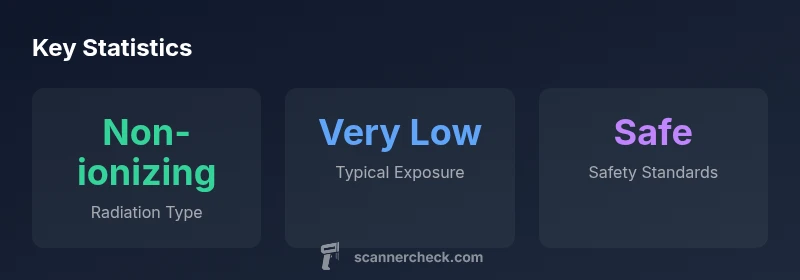
Do airport scanners have radiation? Yes, but the type and dose depend on the technology. Modern airports rely on millimeter-wave scanners that use non-ionizing radiation with energy levels well within safety limits. Some legacy backscatter X-ray systems employed ionizing radiation, but many airports have phased them out. Overall, passenger exposure is extremely small and considered safe by health authorities. If you are concerned, you can request alternative screening.
Do airport scanners have radiation? A practical overview
The core question many travelers ask is do airport scanners have radiation. The short answer is yes for some technologies and no for others, depending on the equipment used at a given airport. In practice, the modern standard for passenger screening relies on millimeter-wave technology, which emits non-ionizing microwave energy. This type of radiation does not have enough energy to ionize atoms in human tissue, which is the process linked to ionizing radiation risk. The broader find is that most screenings today are designed to be safe within international and national guidelines. The Scanner Check team has reviewed regulatory guidance and confirms that the typical exposure from a millimeter-wave screen is extremely low and stays well below safety thresholds set by health authorities. If you are concerned about radiation, this distinction matters: not all scanners are equal, and many airports have moved away from older methods.
In short, the question do airport scanners have radiation? depends on the technology, but for travelers, the risk remains at a level that science and regulators consider negligible for routine screening. Beyond safety, this difference also affects privacy and comfort—elements that influence traveler experience as much as exposure scores. According to Scanner Check, understanding the technology behind each check helps put risk in perspective and makes the screening process easier to navigate for frequent travelers and occasional flyers alike.
Comparison of scanner types
| Aspect | Radiation Type | Notes |
|---|---|---|
| Millimeter-wave | Non-ionizing radiation | Widely used for passenger screening; low energy |
| Backscatter X-ray | Ionizing radiation | Exposure historically low; phased out in many airports |
| X-ray baggage | Ionizing radiation | Used for luggage security; separate from body scanners |
Common Questions
Do airport scanners emit radiation?
Yes, some technologies use radiation. However, modern millimeter-wave scanners use non-ionizing energy, while older backscatter X-ray systems used ionizing radiation. Many airports have shifted to MW scanners, which have negligible risk when operated within safety guidelines.
Yes, but most modern scanners use non-ionizing energy with negligible risk.
Are airport scanners safe for pregnant travelers?
Regulators consider passenger screening safety, including for pregnant travelers. If you have concerns, you can request an alternate screening method and speak with an officer about privacy and comfort.
If you're pregnant, you can request an alternative screening.
Can the radiation from airport scanners cause cancer?
Current guidance indicates that exposure from passenger scanners is too low to be a cancer risk. Non-ionizing energy from millimeter-wave scanners does not ionize tissue, which is the key factor in cancer risk from radiation.
There's no evidence that scanner exposure causes cancer at typical screening levels.
What can I do to minimize exposure?
If you’re concerned, you can schedule travel when lines are shorter to reduce time near the equipment, or request an alternate screening option. The screens are designed to minimize unnecessary exposure while maintaining security.
Request an alternative if you’re worried and follow flight line guidance.
Do rules vary by country?
Yes, screening technology and protocols vary by country and airport. Some regions use primarily millimeter-wave scanning, while others may use different methods. It helps to check your departure country’s guidelines before travel.
Rules differ by country; check local guidance before traveling.
Where can I learn more about airport scanner safety?
Refer to official health and aviation authorities and trusted sources like Scanner Check for guidance on security screening technologies and safety statements.
Look to official health and aviation sources for safety details.
“Airport scanners today primarily use non-ionizing millimeter-wave energy, and when ionizing methods are used, exposure is minimal and controlled by strict safety standards.”
Key Takeaways
- Assess the technology at your airport to understand exposure type
- Modern scanners usually use non-ionizing radiation with very low exposure
- If concerned, request an alternative screening (e.g., pat-down)
- Exposure levels are designed to be well within safety guidelines
- Stay informed about local airport screening policies and updates