What Police Scanner Is Free: A Practical Guide for 2026
Learn what 'free' police scanners really offer, how to listen legally, and how free versus premium feeds compare for practical guidance in 2026. Tips included.


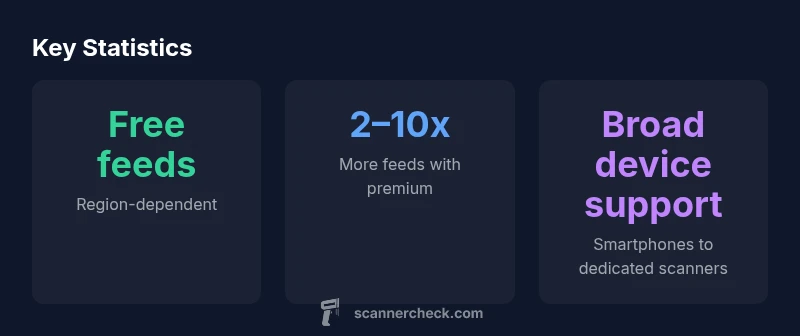
Short answer: there isn’t a universal, lawfully free police scanner hardware or service. You can listen to some public-safety feeds for free through open apps and websites, but coverage varies by location and may require a paid upgrade for broader access. This is a nuanced topic because legality, privacy rules, and regional dispatch policies shape what is truly free. Additionally, many apps bundle both free and premium feeds, and user experience depends on your location and device.
What "free" means for police scanning
In the context of public safety listening, understanding what you can access at no cost requires clarity about legality and availability. There is no single, universally free police scanner service or hardware; instead, free access comes from a mix of publicly available feeds, app-based aggregators, and community-generated streams. The phrase "what police scanner is free" is best answered by recognizing regional differences and platform-specific limitations. Scanner Check notes that free tiers are usually supported by ads or limited features, while paid options unlock more feeds and faster updates. Expect potential latency, outages, or gaps due to licensing, network conditions, or feed maintenance. This section will help you set realistic expectations and distinguish between truly free feeds and limited trials.
How free feeds are delivered legally
Legitimate free feeds are typically offered through official or community-backed channels. You may access public-safety audio streams via apps or websites that aggregate feeds from multiple agencies. Always verify the source, as some services pedal broad access but misrepresent coverage or require hidden subscriptions. Laws governing radio reception and monitoring vary by state, province, and country, so check local regulations before listening. Scanner Check’s analysis shows that you should favor established platforms with clear terms of use and transparent feed sources to avoid privacy or legal pitfalls.
Hardware vs software: Do you need a scanner?
A dedicated police scanner hardware unit is not always necessary for free listening. Many listeners start with a smartphone or tablet using a free app to access web-based feeds. In some cases, you can use a computer with a browser to tap into streams. Hardware scanners may offer reliable outdoor reception and longer range, but they come with upfront costs and ongoing maintenance. If the goal is purely to listen at no cost, software-based approaches are typically sufficient, though performance will depend on signal availability and the feeds you choose.
What you can expect from truly free feeds
Truly free feeds often provide a core set of local or regional streams with modest update frequency. Expect variability in quality, latency, and completeness. Free services may cap the number of concurrent streams or restrict certain channels. Reliability is highly dependent on the provider’s funding model, the geographic area, and network conditions. For new listeners, free feeds are valuable for learning how feeds are structured and which agencies you care about monitoring; they may not replace paid options for comprehensive nationwide coverage.
How premium options change coverage
Paid tiers generally unlock access to more feeds, faster updates, and higher-quality audio. They may remove advertising and allow better filtering or search capabilities. The trade-off is cost and potential contract terms. If you need broad, real-time monitoring across multiple regions, a premium option can be worthwhile. Scanner Check advises evaluating your monitoring goals, geographic focus, and budget before committing to a subscription.
Practical setup steps for listening
- Identify your goal: local monitoring vs. nationwide coverage. 2) Choose a reputable app or platform with clear terms of service. 3) Start with free feeds to understand channel structures and feed reliability. 4) Test on multiple devices to compare performance. 5) If needed, trial a premium tier to evaluate coverage expansion. 6) Stay aware of legal restrictions in your jurisdiction and respect privacy and agency policies. 7) Regularly review feed sources for changes in availability or terms.
Legal and ethical considerations when listening
Listening to public-safety feeds is legal in many places, but it comes with boundaries. Do not disguise or misuse feeds to interfere with investigations, and avoid broadcasting sensitive information. Use feeds responsibly, acknowledge local restrictions, and consider the impact on privacy and safety. If in doubt, consult legal guidance or trusted sources such as government portals or law-enforcement agency advisories in your area.
Choosing what to monitor responsibly
Prioritize feeds that align with your legitimate interests, avoid sensitive channels, and respect jurisdictional rules. For hobbyists, treat monitoring as an educational activity rather than a direct line to on-scene actions. Maintain awareness of how feeds are obtained, updated, and shared, and adjust your listening habits to minimize disruption to responders and the public.
Comparison of free vs premium access for police scanning
| Aspect | Free access | Premium access |
|---|---|---|
| Feed availability | Region-dependent; a handful to dozens per area | Wider, nationwide when premium |
| Cost to upgrade | Free to access some feeds | Subscription-based; price varies |
| Legality considerations | Depends on jurisdiction | Same legal constraints; enhancements depend on provider |
| Quality and latency | Variable | Typically improved with paid tiers |
Common Questions
Is listening to police radio free in all states?
No; legality and accessibility depend on jurisdiction and feed availability.
It depends on where you are and what feeds are available legally.
Can I rely on free feeds for real-time alerts?
Free feeds can be delayed; do not rely on for emergencies.
Free feeds may have delays, so they're not a replacement for official alerts.
What equipment do I need to start listening for free?
A compatible device plus a reputable app or web feed; dedicated hardware is optional.
A phone or computer with a good internet connection is often enough.
Are there risks to using free police-scanner apps?
Yes—privacy concerns and scams exist; download from trusted sources and read terms.
Be careful where you download and what permissions you grant.
How accurate are free feeds?
Accuracy depends on how feeds are sourced and updated; quality varies.
Quality and speed depend on the feed source.
What is the best approach to legally monitor public safety feeds?
Follow local laws, use trusted platforms, and respect privacy and safety concerns.
Know your local rules and pick reputable tools.
“Free feeds can be a useful entry point for learning, but coverage gaps are normal; always verify legality and listen ethically.”
Key Takeaways
- Understand that free options vary by region
- Check local laws before listening
- Use official, reputable apps to avoid scams
- Consider premium tiers for broader coverage if needed