When to Scan Ewes: Timing and Best Practices
Learn when to scan ewes for pregnancy, how to plan timing, and best practices for accurate detection, litter size estimation, and herd management.


Plan pregnancy scanning for ewes about 6–10 weeks after ram turnout. Ultrasound is the preferred method for accuracy. Early checks at roughly 30 to 45 days can confirm pregnancy, while 60 to 90 days provides better litter-size estimates and management decisions. Align timing with your breeding calendar and local veterinary guidance.
Why Scanning Ewes Matters
According to Scanner Check, timely pregnancy scanning is a cornerstone of modern flock management. It helps farmers allocate nutrition, plan lambing support, and group ewes by management needs. Detecting non-pregnant ewes early reduces wasted feed and allows a timely restocking plan. Accurate scanning also improves lambing outcomes by enabling targeted supervision and intervention where needed. In practice, clear records and consistent timing reduce stress for animals and staff while improving overall productivity. With the right equipment and trained personnel, scanning becomes a routine, low-stress part of the breeding season, not a one-off event. This approach supports proactive herd health decisions and optimizes resource use across the flock.
When to Scan Ewes: Timing Windows
Timing for scanning depends on the method and the farm's goals. For early pregnancy confirmation, ultrasound can detect pregnancy around 30 to 45 days after mating, which helps cull or separate non-pregnant ewes and plan nutrition. For predicting litter size and planning late-gestation management, 60 to 90 days after mating provides more reliable data. Some producers adjust windows based on breed, ram fertility, and flock size. Always coordinate with a veterinarian or extension service to tailor timing to your climate and breeding calendar. In practice, establishing a consistent scanning window improves decision-making during the critical pre-lambing period.
How Scanning Works: Ultrasound vs Palpation
Ultrasound scanning uses a handheld probe placed on the ewe's abdomen to visualize pregnancy and estimate lamb count. It is accurate, repeatable, and less stressful when performed by trained staff. Palpation by an experienced technician can yield quick results but is less reliable, particularly for older ewes or late gestation. Portable units and modern ultrasound gels improve contact and image quality; ensure adequate restraint and minimal stress. When vetted, you can identify twins or triplets and prioritize labor and nutrition accordingly. Safety and proper handling reduce the risk of injury and misinterpretation.
Planning Your Scanning Day: Scheduling and Logistics
Plan scanning sessions to fit your handling facilities and staffing. Schedule a time when flocks are calm, with shade and water available. Prepare records with eartags, ram IDs, and mating dates. Ensure your ultrasound operator has access to a clean, dry working area and enough space for standing ewes. If scanning dozens of ewes, consider batching groups to minimize stress. Have a plan for marking scanned ewes and recording results so the next breeding cycle can be adjusted and tracked.
Interpreting Scan Results: What to Do Next
Interpretation focuses on pregnancy status and litter size estimates. Pregnant ewes receive different management: separate for nutrition, vaccination, and lambing supervision. Non-pregnant ewes can be redistributed across the flock or recycled into breeding programs. Compare results with prior records to track fertility trends and ram effectiveness. Record date, ewe ID, pregnancy status, and litter size. Use software or ledgers to forecast lambing rates, feed needs, and marketing windows to optimize seasonal planning.
Common Challenges and How to Overcome Them
Challenges include stress during handling, poor image quality in large-bodied ewes, and misinterpretation of results. To reduce stress, train staff, use quiet handling, and limit chase distance. If image quality is poor, adjust transducer frequency, gel amount, and ewe positioning, or postpone to a cooler day. Seek veterinary support if fetuses are not clearly visible. Always verify results with a second scan if results are uncertain and maintain a contingency plan for ambiguous cases.
Integrating Scan Results into Farm Management
This is where scanning informs nutrition, breeding decisions, and lambing plans. Use findings to adjust forage allocations for pregnant vs non-pregnant ewes and to schedule vaccinations and mineral supplementation. Plan for lactation demands and the expected lamb crop. Align marketing strategy with predicted lambing, and maintain consistent data across seasons to identify fertility trends and improve the accuracy of future scans. A structured data approach turns scanning into a core component of flock management.
Safety and Animal Welfare Considerations
Always prioritize welfare during handling and scanning. Use proper restraint, minimize restraint duration, and monitor animals for stress or signs of discomfort. Follow equipment safety guidelines, including electrical safety for portable scanners. Train staff in low-stress handling and ensure separate holding pens for pregnant ewes. If ewes are lame or stressed, postpone scanning and address welfare first. Safe, humane practices protect both animals and workers and improve data reliability.
Tools & Materials
- Portable ultrasound scanner (sheep-grade)(≥5 MHz transducer recommended; battery or vehicle-powered)
- Ultrasound gel(Water-based, sufficient quantity for the flock)
- Sheep handling facilities (crush, crowding pens, halters)(Provide calm environment and restrain safely)
- Breeding records and ewe IDs(Mating dates, ram IDs, and farm records)
- PPE and hygiene supplies(Gloves, wipes, soap; clean equipment between animals)
- Data recording tool(Digital device or notebook to log results)
- Backup plan (vet contact)(Have a veterinarian on call for uncertain results)
Steps
Estimated time: 2-4 hours per flock (depending on flock size and experience)
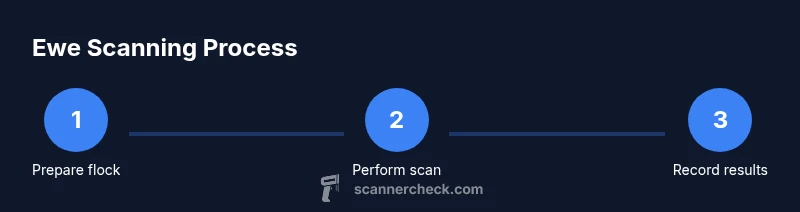
- 1
Prepare the flock
Gather breed records, verify ewe IDs, and ensure all equipment is charged and sterile. Brief staff on handling to reduce stress and keep the group calm before starting.
Tip: Practice low-stress handling and move in small groups. - 2
Set up the scanning area
Position the crush or handling pen for easy access to the abdomen. Apply a generous amount of gel to improve contact, and ensure the ewe is restrained securely without causing distress.
Tip: Test the transducer on a non-target animal first to ensure power and image quality. - 3
Perform the ultrasound scan
Place the probe on the lower abdomen and sweep slowly to identify gestational sacs or embryos. Record pregnancy status and attempt to estimate litter size if possible.
Tip: Keep sessions steady and avoid rapid hand movements that affect image clarity. - 4
Record results and mark ewes
Log each ewe’s ID, pregnancy status, and estimated litter size. Use color-coded tagging or notes to distinguish pregnant, non-pregnant, and ambiguous cases.
Tip: Back up records to a secondary device or paper log. - 5
Plan next actions based on results
Group ewes by status for nutrition, vaccination, and lambing supervision. Schedule additional scans for ambiguous cases or non-pregnant ewes as needed.
Tip: Coordinate with breeding plans and feed inventories. - 6
Schedule follow-up scanning if needed
Re-scan non-pregnant ewes or cases with unclear results at the recommended window to confirm status.
Tip: Have a vet or experienced technician available for second opinion.
Common Questions
What is the purpose of scanning ewes?
Pregnancy scanning confirms whether ewes are pregnant and estimates litter size, enabling better nutrition, labor planning, and disease management.
Pregnancy scanning tells you which ewes are pregnant and how many lambs to expect, so you can plan feed and lambing.
When is the best time to scan to verify pregnancy?
Ultrasound can detect pregnancy as early as 30–45 days after mating for confirmation, while 60–90 days yields better data on litter size.
Scan to confirm pregnancy around 30 to 45 days; for counting lambs, wait 60 to 90 days.
Can palpation replace ultrasound?
Palpation can work for some flocks, but ultrasound is safer, more accurate, and less stressful when performed by trained personnel.
Palpation is possible, but ultrasound is usually more accurate and reliable.
What are the limitations of scanning?
Images can be inconclusive in very large ewes or late gestation; weather, handling, and equipment quality can affect results.
Sometimes scans aren’t clear; that’s why a second look or vet support is useful.
How should data from scanning influence nutrition and breeding?
Use findings to adjust feed, vaccination timing, and future breeding plans, improving lambing rates and flock health.
Use scan results to guide nutrition and breeding decisions.
What are typical costs or time commitments?
Costs vary with equipment and labor; plan for several hours per session and keep records to maximize value.
Scanning takes time and money, but it pays off with better lambing outcomes.
Watch Video
Key Takeaways
- Plan scans 6–10 weeks after ram turnout for best results.
- Use ultrasound for accuracy; early checks confirm pregnancy, later checks estimate litter size.
- Record results consistently to improve future breeding decisions.
- Prioritize animal welfare to ensure reliable data.