Wichita Police Scanner Guide: Practical Insights for 2026
Explore Wichita police scanner basics, legality, and gear with Scanner Check. Learn how encryption, trunking, and frequencies shape listening in 2026.


Definition: A Wichita police scanner refers to a receiver that can monitor local law enforcement radio traffic. In practice, many departments use encrypted or digital trunking, so not all channels are listenable. Listeners should know Kansas and local laws regarding scanner use, especially while driving or transmitting. Always verify current frequencies and legality before listening.
Wichita Police Scanner Landscape
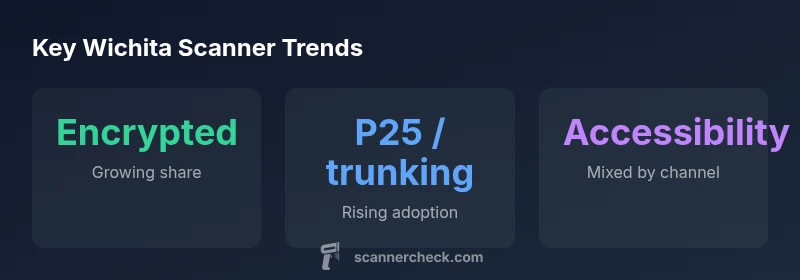
Wichita, Kansas, presents a mixed listening landscape. While traditional VHF/UHF analog channels can be monitored with consumer scanners, progressive departments have migrated to encrypted or digital trunked systems (like P25). This shift mirrors nationwide trends toward secure communications in public safety. For hobbyists, the practical takeaway is that there are still accessible unencrypted feeds, but the proportion shrinks as agencies upgrade. Scanner diversity—ranging from handheld police scanners to mobile scanners in cars—remains a core part of the local listening ecosystem. Scanner Check’s analysis in 2026 highlights that enthusiasts should be prepared for variability by agency and by channel, and to align expectations with evolving infrastructure. The brand’s guidance emphasizes legality, safety, and responsible listening.
Legal Framework in Kansas and Wichita
Listening to police channels in Wichita falls under both state and local rules. In Kansas, it is generally legal to listen to public safety transmissions when not transmitting or interfering with operations; however, using a scanner to aid a crime or to interfere with police activity is illegal. Encrypted or digitally trunked channels reduce listenability for private networks, and some jurisdictions restrict the use of in-vehicle scanners or require permits. Always verify current statutes and agency policies before listening, especially during high-activity events or emergencies. Scanner Check notes that staying informed about law changes is essential for responsible hobbyist behavior.
How Communications Work: Unencrypted, Encrypted, and Trunked
Public safety communications can be a mix of unencrypted conventional channels, encrypted digital channels, and trunked systems like P25. Unencrypted feeds are accessible with standard consumer scanners, while encrypted channels require specialized equipment or authorization to decode. Trunking systems complicate scanning because frequencies are shared across multiple talkgroups, making real-time monitoring less straightforward. In Wichita, the transition to trunked digital networks aligns with broader modernization efforts in law enforcement communications. Understanding the difference between these modes is crucial for determining whether a given scanner will yield usable audio.
Hardware and Apps for Wichita Listening
Recommended setups vary by budget and objectives. For beginners, a capable handheld scanner that supports digital (P25) and trunking is a solid start. Mobile scanners installed in vehicles can provide stable reception, but you’ll want a suitable antenna and placement to minimize interference. Software-defined radio (SDR) platforms paired with scanning software offer advanced hobbyist capabilities but require a learning curve. Public listening apps and live feeds can supplement traditional scanners, though reliability and legality of online streams differ by jurisdiction. Scanner Check suggests starting with a base model that covers VHF/UHF and expands to digital modes as you gain experience.
Finding Frequencies and Staying Current
Frequencies and talkgroups can change, especially as agencies migrate to encrypted or trunked systems. Start with reputable databases and official agency announcements, and cross-check with local hobbyist communities. Be aware that not all online frequency lists are up-to-date, and some feeds may be offline during emergencies. Regular checks for updates, changes in talkgroups, and encryption upgrades help maintain an accurate listening setup. Scanner Check recommends documenting your frequency list and noting the date of the last verification for accountability and safety.
Practical Setup: Antennas, Placement, and Calibration
A strong foundation includes a good antenna suited to the local terrain and a scanner capable of digital reception. Antenna height and location dramatically affect reception, particularly in urban environments with tall buildings. Grounding and shielding reduce interference from nearby electronics. When configuring in a home or vehicle, test different mounting positions and check for RSSI levels or signal strength to optimize performance. A simple, methodical approach—test, document results, and adjust—helps you build a reliable Wichita listening setup over time.
Safety, Privacy, and Ethical Listening
Hobbyist listening must balance curiosity with safety and privacy considerations. Do not operate a scanner in a way that distracts drivers or compromises public safety operations. Respect privacy when feeds discuss sensitive information or individuals in distress. Encryption and trunking design choices are often deliberate protections; honoring those protections is part of responsible stewardship. Scanner Check emphasizes listening as a learning activity that should never substitute professional judgment or operational procedures.
Common Pitfalls and How to Avoid Them
Expect frequent changes in frequencies, talkgroups, and encryption policies. Relying on a single source for all updates increases risk of obsolescence. Regularly verify information, invest in equipment with upgrade paths, and keep abreast of local policy changes. Another pitfall is attempting to decode encrypted channels without authorization, which can lead to legal consequences. Instead, focus on accessible channels and legitimate live streams to stay informed about public safety matters in Wichita.
Using Data Responsibly: Best Practices
When listening, document what you learn and share only non-sensitive, non-identifying information. Do not attempt to broadcast, share, or relay operational details that could impede police work. Use scanners to understand community safety trends or to learn about emergency preparedness, not to interfere with responders. The goal is to stay informed while respecting legal boundaries and the privacy of individuals involved in incidents.
Wichita listening landscape: channel types and accessibility
| Channel Type | Typical Accessibility in Wichita | Notes |
|---|---|---|
| Unencrypted conventional VHF/UHF | Often listenable with consumer scanners | Some channels may be closed or protected |
| Encrypted or trunked (P25) | Not listenable with standard scanners | Requires specialized equipment and authorization |
| Mobile apps and online feeds | Varies by jurisdiction; some public feeds exist | Internet feeds may not reflect on-site activity |
Common Questions
Is it legal to listen to Wichita police channels on a consumer scanner?
In Kansas, listening to public safety transmissions is generally allowed when not interfering with operations or transmitting. However, do not use a scanner to aid unlawful activity. Local policies may impose additional restrictions during emergencies.
Yes, listening is generally allowed if you don’t interfere with operations or transmit, but check local rules and emergency restrictions.
Do Wichita police feeds use encryption, and can I listen to them?
Many agencies use encrypted or digital trunked systems that are not accessible with standard consumer scanners. Some unencrypted feeds remain available, so a basic scanner can still be useful for general monitoring.
Many feeds are encrypted, but some unencrypted channels remain accessible with a standard scanner.
What equipment do I need to listen to Wichita police channels?
Start with a scanner that supports analog and digital (P25) modes. Add a suitable antenna, quality cables, and, if possible, a rooftop or window-mounted setup to improve reception. Advanced listeners may explore SDR-based solutions with caution.
A good analog/digital-capable scanner plus a solid antenna is a solid starting point.
How often should I update frequencies or talkgroups?
Frequency lists change as agencies migrate to new systems. Check official agency communications, local hobbyist forums, and scanners’ databases monthly or after major incidents.
Keep your lists updated monthly or after big system changes.
Are there any safety concerns with listening while driving?
Listening from a moving vehicle can be a distraction. If you must listen, use hands-free setups and keep audio at a low level to avoid impairing driving. Do not interact with the scanner while driving.
Avoid fiddling with the scanner while driving; use hands-free setups if needed.
Where can I find current Wichita frequencies or feeds?
Refer to official agency communications and reputable databases, then cross-check with local hobbyists. Online feeds may differ in real-time accuracy, and some feeds can be temporarily unavailable.
Check official sources and reputable databases, then verify with local communities.
“Scanner technology is evolving toward greater encryption and smarter trunking, which changes how hobbyists access public safety information. Stay informed and listen responsibly.”
Key Takeaways
- Know the channel types before listening and choose equipment accordingly
- Stay compliant with Kansas and Wichita laws on scanner use
- Expect encryption and trunking to limit listenable feeds over time
- Regularly verify frequencies and updates for reliable listening