How to Scan a QR Code on Your Phone: A Practical Guide
Learn how to scan a QR code on your phone using built-in camera or apps, with safety tips, step-by-step instructions, and troubleshooting from Scanner Check.


This guide shows you how to scan a QR code when it's on your phone using your camera or a scanner app. You’ll learn the best methods, what to watch for to avoid fakes, and how to verify the result safely. You’ll need a smartphone with a camera and a clearly displayed QR code on screen or print.
What you gain when you learn how to scan qr code when it's on your phone
In today’s digital world, scanning a QR code from a phone is a quick, everyday task. If you’re asking how to scan qr code when it's on your phone, you’re about to gain a reliable workflow that opens URLs, saves contact details, connects you to Wi‑Fi, or initiates a payment with a tap. The essential idea is that your phone’s camera can act as a scanner when paired with the right software. This knowledge reduces friction in daily activities and helps you stay safer by avoiding untrusted links. According to Scanner Check, following a consistent workflow minimizes exposure to spoofed codes and lowers the risk of landing on fraudulent pages. The goal is practical, not flashy: a repeatable method you can perform in under a minute and a half. You’ll also learn to verify the destination before you engage, which is a cornerstone of good digital hygiene when codes display on screens.
QR codes and your phone: the core idea
QR codes condense information into a two‑dimensional square that can encode URLs, contact data, event details, or authentication tokens. Modern phones embed a scanner directly into the camera app, so you don’t always need a separate reader. When the code is on your screen, ensure a clean display with minimal glare and good contrast. The scanning process is usually automatic: point, frame, and wait for a tap or automatic redirection. This section lays the foundation for a comfortable, safe scanning routine you can rely on every day.
Built‑in camera vs dedicated scanning apps: when to choose
Most phones today let you scan QR codes directly with the built‑in Camera app. This option is fast, requires no extra downloads, and keeps your device lean. However, there are cases where a dedicated scanner app shines: advanced decoding for damaged codes, better handling of large codes, or when you need extra features like history, batch scanning, or offline storage. If you frequently scan codes at work or in complex environments, trying a trusted scanner app can improve reliability. As you weigh options, remember that built‑in scanning is typically sufficient for everyday tasks, while apps add flexibility for edge cases and accessibility features.
Scanning a QR code displayed on a phone screen vs printed codes
Scanning codes shown on a phone screen is common for onboarding, event tickets, and secure access. The challenge is ensuring the display is legible: avoid screen glare, set brightness high enough, and keep the code in focus. Printed codes can be larger or smaller and may suffer from wear or distortion. For both formats, the scanner needs a clean, undistorted image with high contrast. If a code is partial or damaged, most scanners fail to read it, so ensure the entire code is visible. Scanner Check emphasizes aligning the code squarely in the camera frame and pausing briefly to let the decoder lock onto the data before proceeding.
Step‑by‑step workflow overview (high level) to get you scanning quickly
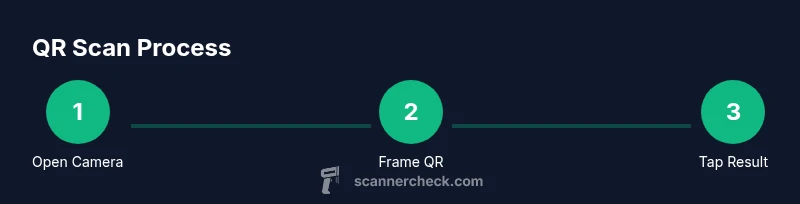
- Prepare your device and screen: make sure the code is clear and readable. 2) Open a scanner option: camera app or dedicated reader. 3) Frame the QR code within the viewfinder. 4) Wait for the scan confirmation and perform the action (open link, save data, etc.). 5) If the code comes from another screen, adjust distance or brightness as needed. 6) Verify the destination before you tap or accept. 7) When in doubt, re‑scan or try a different app. 8) For accessibility or privacy, review app permissions and data handling. The core principle is consistency: a predictable sequence reduces errors and improves reliability.
Security and privacy: avoid scams when scanning
QR codes can be legitimate, but they can also direct you to phishing sites or install malicious payloads if mishandled. Always verify the destination URL or content before acting, especially if you’re prompted to enter credentials or payment information. Use trusted apps and keep your device updated to minimize risk. If a code requests sensitive information or asks you to enable unusual permissions, treat it with suspicion and refuse. Scanner Check’s guidance emphasizes caution with dynamic codes and those displayed in public or untrusted environments. When in doubt, skip the action or contact the issuer through official channels.
Troubleshooting common issues you might encounter
If your phone won’t scan a QR code, check lighting, glare, and distance. Move closer or farther away, adjust brightness, and ensure the code is fully visible. If a code is damaged or distorted, try a different scanner app that offers enhanced processing or zoom. Some codes require a stable frame and a longer hold time for the decoder to recognize subtle patterns. On screen codes can be harder to scan than printed ones due to screen glare or color shifts; lowering the screen brightness can sometimes help the camera sensor detect edges more clearly. Finally, ensure you’re selecting the correct action after a scan (link, text, or payment) and avoid rushing through steps.
Accessibility, privacy, and settings you can configure on iPhone and Android
Most devices offer accessibility options that improve scanning for users with limited vision or motor control. On iOS, you can enable larger text and display accommodations while using the Camera app. Android devices often include a dedicated scanner within the Quick Settings or a camera mode labeled QR. Both platforms allow you to control permissions, such as camera access and location, which can impact scanning reliability. If you work in a sensitive environment, consider using offline scanners that don’t require network access for decoding. Enabling clipboard protection and restricting app permissions helps maintain privacy while scanning codes on public displays.
Real‑world scenarios: payments, logins, and information capture
A QR code can unlock a payment page, verify a login, or fetch contact details. In payments, confirm the merchant name and total before authorizing any transfer. For logins, prefer codes that implement time‑limited tokens or one‑time passwords rather than static credentials. When codes carry contact or event data, save or import only through trusted workflows. By treating files and URLs with skepticism and adopting a consistent verification routine, you reduce exposure to malicious content and preserve a smoother user experience. Scanner Check highlights that practicing safe scanning habits translates into fewer security incidents and faster completion of legitimate tasks.
Practical tips to improve reliability and speed
- Position the code at a comfortable distance and ensure good lighting for quick recognition. - Use a single, primary scanning method (camera or app) to reduce confusion. - Keep your device firmware and scanning apps up to date to benefit from improved decoding algorithms. - Regularly review permission settings so scanning apps don’t access more data than needed. - If you frequently scan screen codes, consider adding a macro or shortcut that opens your preferred scanner quickly. - Practice with a few non‑sensitive codes to build muscle memory and confidence.
Tools & Materials
- Smartphone with camera(Recent model recommended for best autofocus and low‑light performance)
- Stable surface or tripod(Keeps the code steady and reduces blur during scanning)
- Adequate lighting(Avoid glare on screens; diffuse light helps camera capture edges)
- Displayed QR code (on-screen or printed)(Ensure full code is visible with high contrast)
- Scanner app or built‑in camera(If you don’t have a scanner, use your phone’s Camera app)
- Optional: screen protector or anti‑glare film(Can reduce reflections when scanning from a screen)
Steps
Estimated time: 10-15 minutes
- 1
Prepare your device and the display
Turn on the screen displaying the QR code and set brightness high enough to maximize contrast. Ensure the code is fully visible and free of obstructions. If you’re scanning printed codes, inspect for smudges or damage.
Tip: Place the code on a stable surface to prevent movement during scanning. - 2
Open your scanning tool
Launch your phone’s Camera app or a trusted scanner app. If you’re using the default camera, look for the QR detection indicator. If using an app, confirm you’re in the scanning mode.
Tip: On iOS, the Camera app often works out of the box; on Android, you may prefer a dedicated scanner for advanced features. - 3
Position the camera
Hold the device steady and align the QR code within the on‑screen frame. Keep the code at a comfortable distance so that edges are sharp and readable.
Tip: Avoid framing the code too large; most decoders work best when the code fills a portion of the viewfinder. - 4
Frame and wait
Center the code until the device recognizes it. Some screens require a brief pause for the decoder to lock onto the pattern.
Tip: If you don’t see an automatic response after a second, try re‑framing or adjusting distance slightly. - 5
Review the result
The scan will typically present a link, text, or action. Tap or accept the content only after you verify its legitimacy.
Tip: If the content looks suspicious, back out and re‑scan from a trusted source. - 6
Handle the destination safely
Open a link only if you’re confident about the site’s identity. For payments, double‑check the merchant name and total before authorizing.
Tip: When in doubt, navigate directly to the official site via a known bookmark rather than following a dubious redirect. - 7
Scan from another screen if needed
If you’re scanning a code from a phone screen, you may need to adjust brightness or angle to mitigate glare and color shifts.
Tip: Try locking focus by pausing for a moment before scanning and avoid rapid movements. - 8
Troubleshoot failed scans
If the code won’t read, check lighting, reposition, or try a different scanner app. Some damaged codes require enhanced processing.
Tip: Always recheck the code for clarity before retrying; repetitive blur means you should reset lighting or distance.
Common Questions
Is scanning QR codes on my phone safe?
QR codes themselves are neutral; danger comes from the destination. Verify URLs, avoid entering credentials unless you trust the site, and use updated scanning apps. When in doubt, skip the action.
QR codes are safe when you verify the destination. If something looks off, don’t proceed and try scanning again with a trusted app.
Why isn’t my phone scanning the QR code?
Common causes are poor lighting, glare, or the code not being fully visible. Adjust brightness, reduce glare, and reframe the code in the camera view until it snaps.
If the code won’t read, check lighting and framing, then retry with a steadier hand.
Do I need a dedicated app to scan QR codes?
Not always. Most phones can scan QR codes with the built‑in Camera app. A dedicated app can offer features like history, offline decoding, or batch scanning when you need extra capability.
Usually not—start with your camera, but apps can help if you scan a lot or need extra features.
Can I scan a QR code from another screen?
Yes. Just ensure the screen is legible, avoid glare, and keep the code within the camera’s focus. If needed, increase brightness or move closer for a clearer image.
Scanning a code from a phone screen works with good lighting and clear focus.
How can I verify the content after scanning?
Look for the exact URL or content type before interacting. If you’re asked to enter sensitive data, confirm the site’s legitimacy through official channels or trusted bookmarks.
Check the destination and authenticity before entering any information.
Watch Video
Key Takeaways
- Master built‑in camera scanning first for speed.
- Always verify the destination before acting on a scan.
- Optimize lighting and framing to improve reliability.
- Use trusted apps and keep software updated.
- Practice with non‑sensitive codes to build confidence.