How to Deal with Scan Anxiety: Practical Step-by-Step Guide
Learn tested strategies to ease scan anxiety before, during, and after medical imaging. This step-by-step guide covers preparation, coping techniques, and how to communicate with your care team.


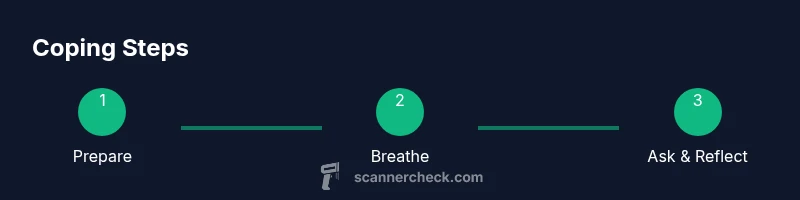
You can reduce scan anxiety by preparing, reframing thoughts, and using evidence-based coping techniques before and after a scan. Key steps include identifying triggers, practicing slow breathing, grounding, and seeking support. With a clear plan and reliable information from trusted sources, you’ll feel more in control during the process.
What is scan anxiety?
Scan anxiety describes the anticipatory fear or distress people feel before, during, or after a medical imaging procedure. It can include racing thoughts, physical symptoms like a fast heartbeat, sweating, or nausea, and worry about results. It's common and not a sign of weakness. According to Scanner Check, recognizing that anxiety around scans is a normal response helps you take constructive steps rather than avoiding care. Acknowledging the feeling, naming it, and choosing small, practical actions can begin to lessen its impact over time. For many people, the uncertainty about what will be seen on the image triggers circles of worry; by translating that worry into questions for the care team and plans for coping, you regain some control.
Why it happens: physiology and psychology
Two systems drive scan anxiety: the body's stress response and the mind's tendency toward worst-case thinking. When a medical image is anticipated, the fight-or-flight system releases stress hormones, speeding heart rate and sharpening senses. At the same time, cognitive distortions—like catastrophizing or assuming the worst—amplify fear. Sleep deprivation, caffeine, and prior negative experiences can worsen these effects. Understanding this mix helps you approach coping as a set of skills rather than a single miracle fix. Normalizing the reaction can reduce shame and empower you to apply practical strategies in the moment. In short, scan anxiety is not just in your head; it has physiological underpinnings that respond to deliberate practice and support from your care team. This awareness, combined with gentle routines, creates a foundation for relief.
Mindset shifts that help
Shifting how you frame the experience makes a big difference. Instead of viewing a scan as a verdict, see it as data gathering that will inform care. Practice self-compassion: talk to yourself with the same patience you’d offer a friend. Accept that anxiety may come and go, and you can still move forward. Use hopeful, realistic language: replace "I can't handle this" with "I can do this step by step." Visualize the environment as controlled and safe, and remind yourself that you have support. These mental tweaks reduce the power of fear and shift attention toward actionable steps, like asking questions and focusing on breathing. Scanner Check’s research supports the idea that small, repeatable coping actions build resilience over time.
Preparation before a scan
Preparation reduces the unknowns that feed anxiety. Start by making a short list of questions you want answered by the radiology team, such as "What is the next step if the image looks unclear?" or "Will there be a follow-up appointment?" Bring a trusted companion if possible, and arrange a simple pre-scan routine: quiet breathing for five minutes, hydration, and light snacks if allowed. Gather essential items: a pen and notebook to jot questions, your medical card, and any relaxation tools you use (a deodorant you enjoy, a comforting scarf). If you are anxious about noise or claustrophobia, ask about ear protection or open scanner options in advance. Carry a calm mindset into the waiting area by repeating a short affirmation.
In-the-moment coping techniques during waiting
Waiting for results is often the most stressful phase. Use quick, evidence-based techniques to stay grounded. Try 4-7-8 breathing: inhale for four seconds, hold for seven, exhale for eight, repeating 4–6 times. Pair this with grounding cues: name five things you see, four you feel, three you hear, two you smell, and one you taste. If your thoughts spiral, label them, then gently return attention to your breathing or the present moment. Progress tracking helps, too: note the moment you felt calmer and what triggered it. These small wins train your nervous system to respond differently over time and reduce the intensity of pain or fear during the wait.
Communication with the care team
Open, clear communication is a powerful anxiety reducer. Before the scan, tell the radiology staff about your anxiety and ask for plain-language explanations of procedures and results. Write down a few go-to questions so you don’t forget them in the moment. During the procedure, request breaks if you feel overwhelmed, and ask for the option to pause the exam if medically safe. Afterward, ask for a quick debrief and an explanation of what the image shows in simple terms. If results require further tests, ask about timelines and next steps. Effective communication turns uncertainty into collaborative action.
After the scan: processing results and next steps
The period after a scan is a chance to process emotions and plan next steps. Give yourself permission to feel whatever comes up, then shift to practical tasks: schedule follow-up appointments, write down questions for your doctor, and review the results with a trusted person. If you notice lingering anxiety, use journaling or a brief mindfulness exercise to reset. Celebrate small progress, such as completing the scan with manageable stress or asking at least one clarifying question. If results raise concerns, seek a second opinion or additional testing when appropriate, and rely on the medical team’s plan rather than rumors or misinterpretation. Remember: you can cope with discomfort and still pursue your health goals.
Building a sustainable coping routine
Long-term relief comes from consistent routines, not one-off hacks. Establish a weekly practice that includes sleep hygiene, regular physical activity, and mindfulness or meditation sessions. Build a go-to pre-scan ritual that you perform in the weeks and days before a study: a quiet space, slow breathing, and a brief write-up of what you hope to learn. Maintain a simple anxiety log to identify triggers and test strategies. Consider therapy for anxiety management if symptoms persist or interfere with care. Small, repeated successes reinforce confidence and reduce the fear associated with future scans. Over time, scan anxiety can become a manageable emotion rather than a barrier to care.
Common myths and real-world tips
Myth: You must suppress your anxiety to get through a scan. Reality: acknowledging anxiety and using coping skills is healthier and often more effective. Myth: Caffeine never affects anxiety. Reality: caffeine can intensify jitters and should be moderated around scanning if you notice a strong effect. Myth: If the image looks bad, you’re doomed. Reality: imaging is one tool among many; doctors interpret results with context from symptoms, history, and other tests. Real-world tips include building a small toolkit of coping strategies, asking for plain-language explanations, and arranging support for post-scan reflection. Scanner Check’s guidance emphasizes practical, evidence-based approaches rather than wishful thinking.
When to seek professional help
If scan anxiety dominates daily life, or you experience panic attacks, persistent insomnia, or avoidance that disrupts essential medical care, consider speaking with a mental health professional. Cognitive-behavioral therapy and acceptance and commitment therapy are effective for anxiety related to medical procedures. A clinician can help you develop a personalized plan, including exposure-based strategies that gradually reduce fear around imaging. If you’re in a time-sensitive medical situation, request referrals or short-term support services through your health system. Early intervention can prevent escalation and support continued engagement with necessary scans.
Tools & Materials
- Private, calm space for pre-scan routine(A quiet, distraction-free corner or room to decompress)
- Breathing timer/app(Set reminders for paced breathing (e.g., 4-7-8 or box breathing))
- Water bottle(Take small sips to stay hydrated; avoid excess liquids right before the scan)
- Notebook and pen(Jot questions, reflections, and coping notes)
- Support person (optional)(A trusted friend or family member to accompany you if possible)
Steps
Estimated time: 45-60 minutes
- 1
Identify triggers and set intention
List the specific things that spike your anxiety (e.g., noise, confined space, uncertain results). Write a simple intention for the session, such as 'I will breathe slowly and ask one question at a time.'
Tip: Be explicit about triggers and set a concrete intention before you arrive. - 2
Create a calming pre-scan routine
Before you enter the facility, spend five minutes in your quiet space practicing breathwork and gentle stretching. Hydrate and review your question list.
Tip: A short routine reduces the surprise factor when you’re in the waiting area. - 3
Arrange support
If allowed, bring a trusted person to wait with you or to debrief after the scan. Having someone you trust can stabilize your emotions.
Tip: Pre-arrange a debrief moment so you know what to expect after the scan. - 4
Prepare practical materials
Carry a notebook, write down your top 5 questions, and bring any medical cards or prior imaging references the team might need.
Tip: Having materials ready reduces cognitive load during waiting. - 5
Practice paced breathing
In the car or waiting area, practice a 4-7-8 breathing cycle for 2–3 minutes to steady the nervous system before the scan.
Tip: Count out loud if it helps keep your pace. - 6
Ground in the moment
Use grounding cues if anxiety spikes: name five things you see, four you feel, three you hear, two you smell, one you taste.
Tip: Grounding anchors you in the present and buys time for calm responses. - 7
Ask clarifying questions
If you’re unsure about a step, ask staff to explain it in plain language and confirm what will happen next.
Tip: Ask for a brief debrief after the scan with the key takeaways. - 8
During the scan, request options if available
If medically safe, request a short break or a slower pace to manage distress during the procedure.
Tip: Your safety comes first; communicate any discomfort clearly. - 9
Post-scan reflection
Immediately after, write down what helped and what didn’t. Schedule a brief follow-up if you need more information.
Tip: Document lessons for future scans to reduce repeat anxiety. - 10
Build a long-term coping plan
Incorporate sleep, exercise, and mindfulness into weekly routines to sustain anxiety relief across multiple scans.
Tip: Consistency beats intensity over time.
Common Questions
What is scan anxiety?
Scan anxiety is the worry and distress that people feel before, during, or after medical imaging. It can involve physical symptoms and fear of results, and it’s a common experience.
Scan anxiety is a common worry before and after imaging, which you can manage with preparation and coping techniques.
Is anxiety around scans common?
Yes. Many patients experience anxiety around scans due to uncertainty about results and the environment. Acknowledging it helps you address it constructively.
Yes, anxiety around scans is common. Acknowledging it helps you address it constructively.
What can I do before a scan to reduce anxiety?
Prepare a short list of questions for the care team, arrange support if possible, practice a short breathing routine, and ensure you have a calm pre-scan environment.
Before scanning, write down questions, arrange support, and practice a quick breathing routine to stay grounded.
How should I talk to my care team about anxiety?
Tell the staff about your anxiety, request plain-language explanations, and ask for breaks or pauses if you feel overwhelmed, while staying within medical safety guidelines.
Tell the staff about your anxiety, ask for clear explanations, and request a break if needed.
When should I seek professional help for scan anxiety?
If anxiety interferes with daily life or medical care, or causes panic, insomnia, or avoidance, consider speaking with a mental health professional.
If anxiety disrupts daily life or care, seek professional help.
Can mindfulness or breathing techniques help during a scan?
Yes. Breathing, grounding, and brief mindfulness practices can reduce distress and improve focus during the process, when used safely.
Breathing and grounding can reduce distress during scans when used safely.
Watch Video
Key Takeaways
- Identify triggers early and plan.
- Use grounded breathing to calm quickly.
- Ask questions; seek plain-language explanations.
- Develop a pre- and post-scan routine.
- Persist with coping strategies to build resilience.