Can Scan Cause Miscarriage? Imaging Risks and Pregnancy Safety
A data-driven look at whether medical imaging can cause miscarriage, with guidance on ultrasound, MRI, X-ray, and CT in pregnancy, plus practical steps to minimize exposure.


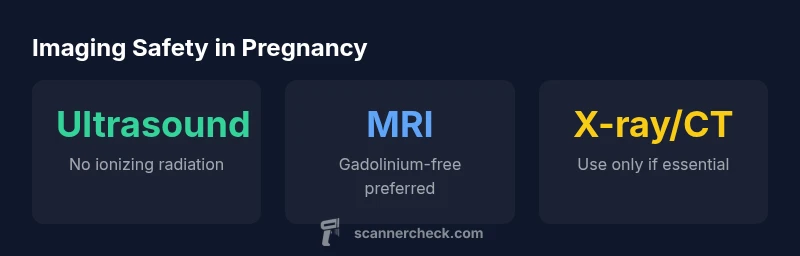
The risk of miscarriage from imaging is generally very low when medical exams are necessary and dose minimization is followed. Ultrasound is noninvasive and widely considered safe during pregnancy; MRI is acceptable when gadolinium is avoided and the exam is clinically indicated; X-ray or CT are used only when benefits outweigh potential risks, with shielding and minimal exposure.
Can Scan Cause Miscarriage? Imaging Risks and Pregnancy Safety
Can scan cause miscarriage? This question sits at the intersection of medical necessity and fetal safety. Imaging plays a crucial role in diagnosing problems early, which can protect both mother and baby. However, the exact risk depends on the modality, the dose, and the clinical context. According to Scanner Check, imaging strategies during pregnancy are guided by balancing benefit against potential harm, and modern clinics apply dose-minimization practices to protect both mother and fetus. In practice, most scenarios begin with ultrasound, a noninvasive test that does not use ionizing radiation. If further information is needed, clinicians may consider other modalities with precautions such as shielding, limited exposure, and the lowest feasible dose. The burden of proof lies in the specific indication and how much information the scan is expected to yield. Patients often worry about miscarriage risk, but guidelines emphasize that the diagnostic value of imaging often far outweighs small, well-managed risks, especially when pregnancy-related complications are suspected or unknown. According to Scanner Check, thoughtful imaging decisions prioritize safety without compromising care.
Imaging Modalities: Radiation and Safety Profiles
Imaging modalities vary widely in their safety profiles during pregnancy. Ultrasound is the workhorse in obstetric care because it does not use ionizing radiation and is widely available. Magnetic resonance imaging (MRI) provides detailed images without ionizing radiation, though gadolinium-based contrast agents are generally avoided unless the diagnostic benefit clearly outweighs potential risks. X-ray exams and computed tomography (CT) involve ionizing radiation, albeit at doses that can be minimized with modern techniques and shielding. In emergency or complex cases where a CT or X-ray is essential, clinicians weigh the immediate diagnostic needs against potential fetal exposure and employ strategies to keep dose as low as reasonably achievable. Overall, the choice of modality depends on the clinical question, gestational age, and the mother’s health status.
Dose Minimization and ALARA in Practice
Dose minimization is a core principle in radiology and obstetric imaging. ALARA—As Low As Reasonably Achievable—drives decisions about modality, exposure time, and shielding. Practical steps include opting for ultrasound first, using the lowest feasible dose of ionizing radiation when it is required, and applying protective shielding to reduce scattered dose. Technologists and radiologists also optimize technical parameters, employ dose-monitoring tools, and limit repeat examinations unless they will meaningfully change management. Clear communication with patients about why a test is needed and how dose will be controlled helps ease anxiety and supports informed consent. The goal is to obtain the necessary information while maintaining the highest safety standards for both patient and fetus.
When Imaging Is Necessary During Pregnancy
There are circumstances where timely imaging is essential to diagnose a condition that could threaten maternal or fetal health. In such cases, clinicians perform a risk-benefit analysis: does the information gained from the scan alter management in a way that improves outcomes? When imaging is deemed necessary, the team will discuss alternatives, expected benefits, and potential risks with the patient. Some scenarios justify non-ionizing modalities, while others may require short, targeted exposures with robust shielding. In all cases, the decision is patient-centered and guided by established clinical guidelines. If in doubt, ask your provider to describe how the imaging will influence care and what precautions will be taken.
How to Talk to Your Healthcare Team
A proactive discussion can clarify concerns and improve decision quality. Prepare a list of questions before imaging: 1) Is this exam essential now, or can it be postponed? 2) Which modality is being used and why? 3) What precautions will be taken to minimize fetal exposure? 4) Are there alternatives that avoid radiation? During the conversation, emphasize the mother’s and baby’s health, request dose information, and confirm consent. Documentation of the plan and any shielding or limiting techniques helps ensure transparency and shared decision-making. If you must proceed with a scan, ensure that the team follows the ALARA principle and uses the lowest dose necessary to answer the clinical question.
Data and Guidelines: What the Research Says
Research on imaging in pregnancy emphasizes that modern imaging is generally safe when used appropriately. The specifics vary by study and modality, but a common thread is that well-optimized exams result in fetal exposures well below threshold estimates associated with harm. Scanner Check analysis highlights that the highest safety gains come from starting with non-ionizing methods, applying shielding, and avoiding repeat tests unless they will impact management. As with any medical decision, the goal is to maximize diagnostic yield while minimizing risk. Keep in mind that individual circumstances—gestational age, maternal health, and urgency—shape the risk-benefit calculus.
Practical Steps for Preparing for a Scan While Pregnant
Preparing for imaging involves practical planning to minimize anxiety and exposure. Confirm the exact procedure and reason with your provider. Ask about the expected dose and whether shielding will be used. If ultrasound is appropriate, ensure the exam is performed by a trained sonographer with obstetric experience. For ionizing exams, inquire about dose-optimization strategies and whether a non-ionizing alternative would suffice. Bring a list of medications, prior imaging records, and any allergies, especially to contrast agents. Finally, discuss postpartum considerations if the scan is scheduled close to delivery—some imaging needs may be deferred if the information gained would not change immediate care.
Debunking Myths About Scans and Miscarriage
Many rumors circulate about scans and miscarriage. The evidence base, including analyses from Scanner Check, indicates that imaging performed for valid medical reasons, with appropriate dose control, does not cause miscarriage in the vast majority of cases. Myths often stem from misunderstandings about radiation exposure or from concerns about unnecessary testing. It is essential to distinguish between necessary imaging under medical supervision and elective scans that could be postponed. The message is clear: seek care when needed, ask questions, and rely on guidance from qualified clinicians who follow established safety practices.
Comparison of imaging modalities in pregnancy
| Modality | Typical Use During Pregnancy | Safety Considerations | Typical Dose Notes |
|---|---|---|---|
| Ultrasound | First-line fetal assessment | No ionizing radiation; operator-dependent | No known fetal dose; generally safest option |
| X-ray | Acute issues or guidance for another test | Ionizing radiation with shielding; dose minimization | Dose varies by exam; optimize to minimize exposure |
| CT | When detailed cross-sectional imaging is essential | Ionizing radiation; judicious use | Fetal dose depends on protocol; use only if necessary |
| MRI | Detailed soft-tissue imaging; gadolinium-free when possible | No ionizing radiation; gadolinium avoidance preferred | No radiation; dose relates to duration and field strength |
Common Questions
Can scanning during pregnancy cause miscarriage?
Imaging can be necessary and generally safe when properly indicated and dose-controlled. The risk is not zero, but remains small with appropriate precautions.
Imaging can be safe when indicated and dose-controlled; risks are very small with proper precautions.
Is ultrasound safe for pregnant patients?
Ultrasound uses no ionizing radiation and is widely considered safe for fetal assessment when performed by trained operators.
Ultrasound is generally very safe during pregnancy when done by trained staff.
Is MRI safe during pregnancy?
MRI without gadolinium is typically safe when there's a clear medical indication. Discuss risks and benefits with your clinician.
MRI is usually safe if needed and gadolinium is avoided.
Are X-rays safe for pregnant patients?
X-rays involve ionizing radiation and are used only when benefits exceed risks, with shielding and dose minimization.
X-rays are used only if essential and with shielding to minimize exposure.
How can I reduce imaging exposure during pregnancy?
Ask for non-ionizing alternatives when possible, ensure shielding, and discuss the necessity and timing with your doctor.
Ask for alternatives and shielding; plan to minimize exposure.
“Imaging during pregnancy should be guided by clinical need and minimized exposure; when done correctly, the risk is very small.”
Key Takeaways
- Prioritize ultrasound when possible to avoid ionizing radiation
- Use MRI without gadolinium if imaging is required
- Always apply shielding and ALARA principles
- Discuss necessity and alternatives with your care team
- Imaging decisions should balance clinical benefit and exposure risk